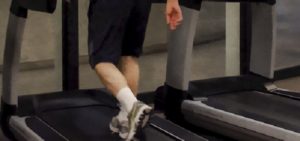
If you plan to WALK as an exercise:
Get WALKING Shoes and NOT Running Shoes!
Here’s Why:
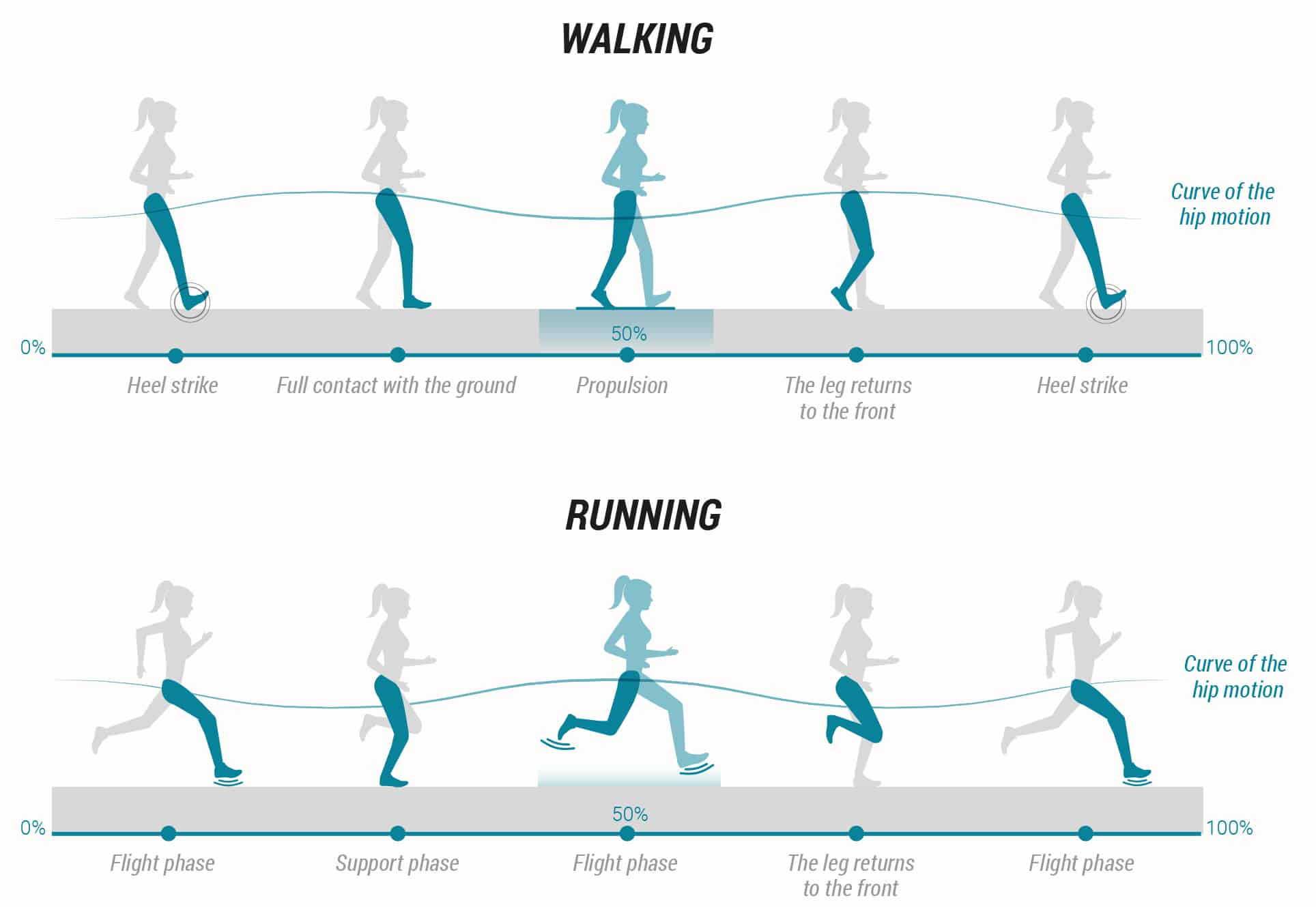
There is a big difference in the Gait-Cycle between walking and running;
Walking: Body load -> First strike is on the Heel –> need cushioning at the heel.
Running: Body load -> First strike is on the Mid-Foot -> need cushioning at the mid-foot.
Walking
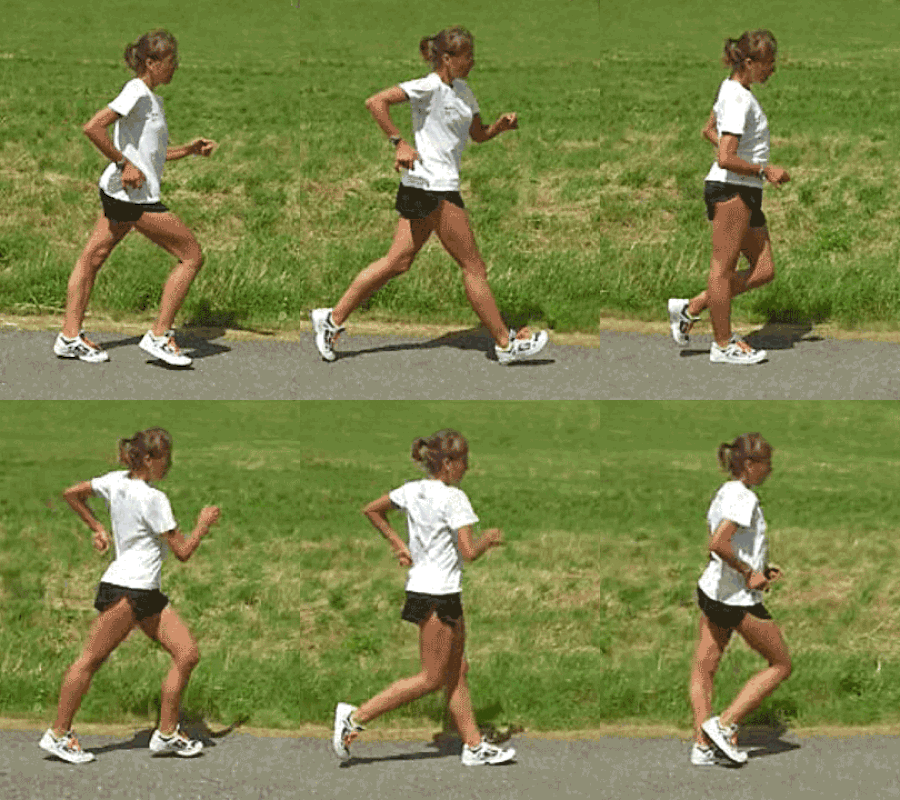
1. First strike with your heel.
2 Gait cycle via the mid-foot.
3. Full foot contact.
4. Propel forward via the ball of the foot & toes.
Running
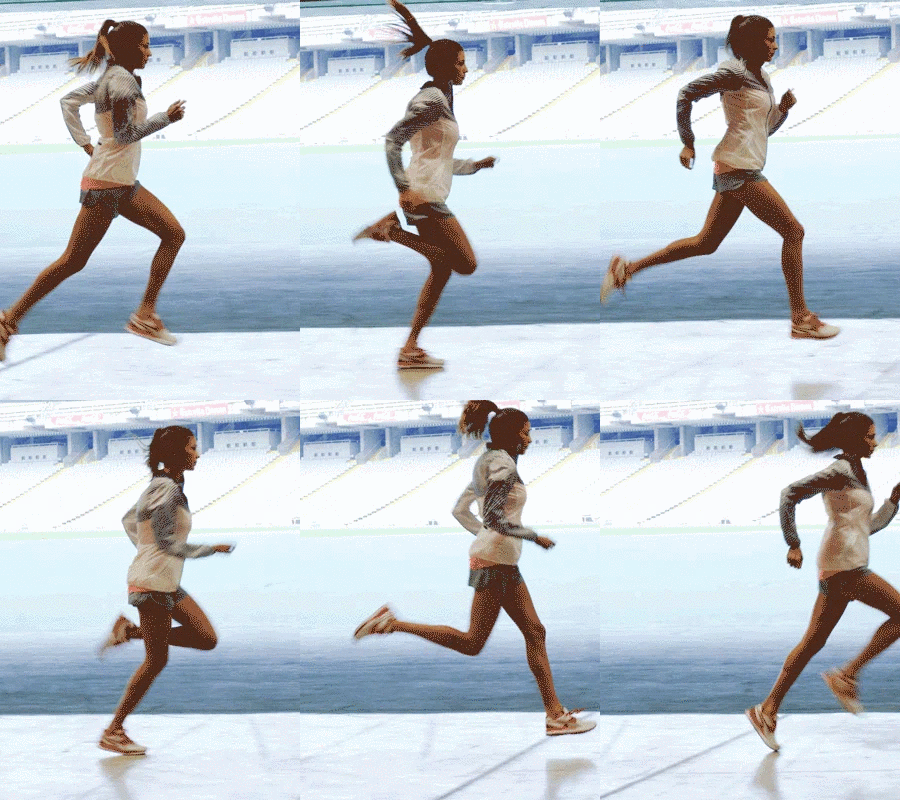
1. First strike with the ball of the foot (or mid-foot).
2. Gait cycle via the mid-foot.
3. Full foot contact.
4. Propel forward via the ball of the foot.
All major athletic shoe brands are aware of the foot-strike difference.
Most of them manufacture shoes accordingly:
Walking Shoes: Cushioned Heel & Flexible Mid-Foot.
Running Shoes: Cushioned Mid-Foot & Elevated Flexible Heel.
Recommended Shoes by Pronation Type:
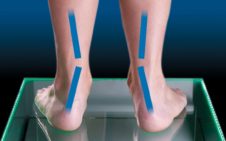
Over-Pronation
- Overpronation is excessive inward rolling of the feet after landing instead of pushing off forward.
- Usually occurs in people with flat feet.
- This Condition can lead to knee pain, ankle pain, and plantar fasciitis.
 ■ Click Here for the Best
OverPronation Walking Shoes
 ■ Click Here for the Best
OverPronation Running Shoes
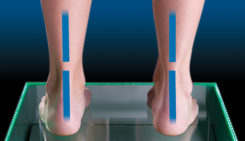
Neutral-Pronation
- Neutral Pronation is having an ideal foot-strike.
- It is characterized by a slight inward movement of the ankle bone during foot contact with the ground.
- Natural foot motion helps you absorb shock on impact and distribute weight evenly on push-off.
■ Click Here for the BestNatural Walking Shoes
■ Click Here for the BestNatural Running Shoes
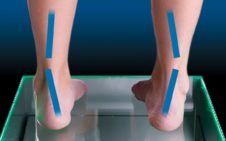
Under-Pronation
- Underpronation is a condition in which there is excessive outward rolling of the feet after landing instead of pushing off forward.
- Under-Pronation usually occurs in people with high arches.
- This condition can lead to knee pain, ankle sprain, and hip pain.