Your posterior tibial tendon runs along the inside of your ankle and supports the arch of your foot. Cleveland Clinic says that when it is inflamed you feel pain and tenderness along the arch or the inside of your foot and ankle, and that tendonitis that lasts too long can weaken the tendon and lead to posterior tibial tendon dysfunction (PTTD).[1]
This guide covers what Cleveland Clinic says about footwear and seven pairs for men and women that are in stock on the web US.

Posterior tibial tendonitis and shoes
- Cleveland Clinic says early stages are treated conservatively with rest, ice and over-the-counter medicine, and that more severe cases may need a cast or boot for a few weeks.[1]
- Conservative treatment for PTTD includes physical therapy and special orthotics that take stress off the tendon when you walk.[1]
- If you ask a lot of your feet, Cleveland Clinic advises wearing supportive shoes and resting your feet well afterward.[1]
- If you start to feel sore in the tendon, let it rest and recover, and see a healthcare provider if symptoms continue.[1]
Posterior Tibial Tendonitis Symptoms and Causes
Cleveland Clinic lists these symptoms:[1]
- Pain Along the Tendon – From the back of the ankle across the inside of the foot, especially during or after activities such as walking, running and stair climbing.
- Swelling and Tenderness – Swelling along the tendon, especially at the inner ankle, and tenderness to the touch.
- Weakness – Weakness in the foot or ankle, especially when pushing off.
- Changes in Foot Shape – As the condition progresses, the arch can collapse (flat foot), the ankle can roll inward and the heel or toes can turn outward. These are signs of PTTD.
Cleveland Clinic says repetitive strain is the most common cause of foot tendonitis, and that an acute injury such as a twisted ankle can also tear the tendon. An abnormal gait, such as a foot that turns inward or outward, or flat feet, can add strain.[1] Our guides to overpronation and supination cover these foot types.
Orthotics as a Treatment
Cleveland Clinic says orthotics are devices you wear in your shoes to reduce symptoms from many foot and ankle conditions, and that a podiatrist may recommend a custom device. Custom orthotics cost more than store-bought kinds, and Cleveland Clinic says they provide better cushioning and support for your foot.[2] For PTTD it lists special orthotics that take stress off the tendon among the conservative treatments.[1]
Shoes with a removable insole make room for the orthotic your provider recommends.
Choosing a Shoe for Posterior Tibial Tendonitis
Cleveland Clinic advises wearing supportive shoes if you ask a lot of your feet.[1] Beyond that, it does not name a shoe type, so ask your podiatrist. These features are worth looking at:
- Support – A stable, supportive shoe, as Cleveland Clinic advises.[1]
- Removable Insole – Room for a custom or store-bought orthotic.[2]
- Cushioning – Midsole foam that softens each step.
- Fit – A secure fit that does not rub or press on the inside of the ankle.
How We Chose These Shoes
We do not test shoes ourselves. We compared each model’s support, cushioning, insole and fit using the makers’ descriptions and The web product pages, and we kept only pairs that are in stock on the web US. Brands do not pay to be included, but we may earn a commission from purchases.
Frequently Asked Questions (FAQ) on Shoes for Posterior Tibial Tendonitis
- What is posterior tibial tendon dysfunction?
Cleveland Clinic says it happens when chronic tendinosis in the posterior tibial tendon makes the tendon break down, so it can no longer support the arch. The foot can flatten and the ankle can turn inward.[1] - Do orthotics help posterior tibial tendonitis?
Cleveland Clinic lists special orthotics that take stress off the tendon when you walk among the conservative treatments for PTTD, along with physical therapy.[1] - What shoes should I wear?
Cleveland Clinic advises supportive shoes if you ask a lot of your feet, and adequate rest afterward.[1] A podiatrist can recommend a shoe type for your foot. - How long does recovery take?
Cleveland Clinic says an acute case of tendonitis can heal in a few weeks, while tendinosis and tendon dysfunction take longer. With conservative treatment it may take three or four months to recover fully.[1]
Key Specs
| No. | Shoe | Type | Closure | Width options | Drop / Cushion | Weight |
|---|---|---|---|---|---|---|
| 1 | Asics Gel Cumulus 28 | Running | – | Medium, Wide, X-Wide | FF BLAST MAX | – |
| 2 | Asics Gel Nimbus 28 | Running | – | Medium, Wide, X-Wide | PureGEL | – |
| 3 | Under Armour Charged+ Assert 11 | Shoe | Lace-up | Medium, Wide, X-Wide | – | 10.2 oz |
| 4 | New Balance Fresh Foam 520 v9 | Running | Lace-up | Medium, Wide, X-Wide | 10 mm drop / Fresh Foam | – |
| 5 | New Balance 608 V5 | Walking | – | Medium, Wide, X-Wide | ABZORB | – |
| 6 | Saucony Cohesion 14 | Running | – | Medium | – | – |
| 7 | Under Armour Charged Assert 10 | Dress/casual | – | Medium, Wide, X-Wide | 10 mm drop / Charged Cushioning | 9.5 oz |
– = not stated by the maker. Specs as stated by the maker, not tested by us.
Reviews: Shoes for Posterior Tibial Tendonitis
Here are our picks. Each pair is in stock on the web US. We may earn a commission if you buy through the links on this page, at no extra cost to you.
Running Shoes for Posterior Tibial Tendonitis
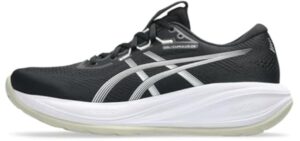
1Neutral Cushioned Trainer
Asics Gel Cumulus 28 - Men


Asics Gel Cumulus 28 - Women


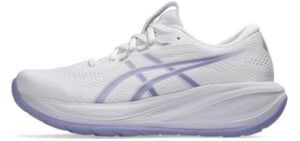
- FF Blast Max foam and rearfoot PureGEL cushion each landing and return energy at toe-off.
- The engineered mesh upper is light and breathable, and the Fluidride outsole blends EVA and rubber for traction without extra weight.
- An OrthoLite X-30 sockliner cushions and manages moisture, and reflective details help you stay visible in low light.
2
Max-Cushion Neutral Trainer
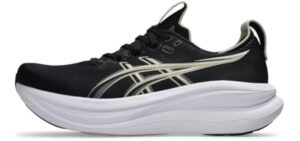
Asics Gel Nimbus 28 - Men


Asics Gel Nimbus 28 - Women


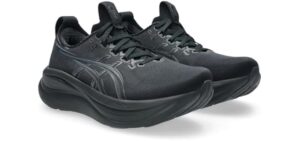
- The engineered knit upper is light and breathable, with few overlays.
- Rearfoot PureGEL and FF Blast Plus foam give a soft landing and a responsive ride.
- An OrthoLite X-55 sockliner manages moisture, reflective details add visibility, and the Hybrid Asicsgrip outsole grips on varied surfaces.
3
Breathable Running Shoe
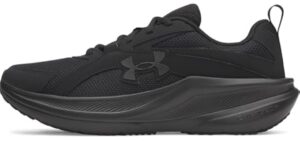
Under Armour Charged+ Assert 11 - Men


Under Armour Charged+ Assert 11 - Women


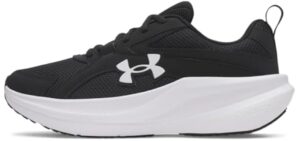
- The mesh upper has leather overlays that add midfoot support, and at least 30% of the upper is recycled content.
- Charged+ midsole cushioning is soft, and the rubber outsole has flex grooves for toe-off.
- It weighs about 10.2 oz and comes in medium, wide and extra-wide widths.
Walking Shoes for Posterior Tibial Tendonitis
4Cushioned Daily Trainer
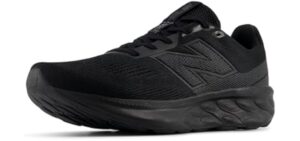
New Balance Fresh Foam 520 v9 - Men


New Balance Fresh Foam 520 v9 - Women


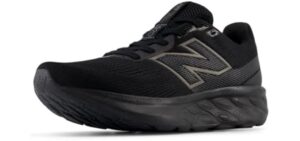
- Fresh Foam cushioning gives a soft, light ride.
- The breathable engineered mesh upper keeps the shoe airy, and the rubber outsole handles daily use.
- It weighs about 260 grams and has a 10 mm heel-to-toe drop and a lace-up closure.
5
Casual Cross Trainer
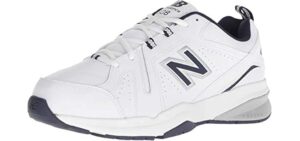
New Balance 608 V5 - Men


New Balance 608 V5 - Women


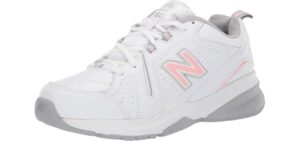
- An Abzorb heel crash pad absorbs impact, and a molded insert adds cushioning underfoot.
- The suede upper breaks in to your foot, and dual-density collar foam steadies the ankle.
- A Phantom Liner interior has few seams to rub, and the EVA midsole has an internal shank for midfoot stability.
6
Neutral Everyday Trainer
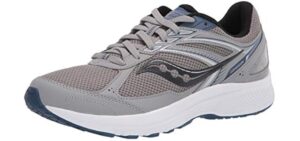
Saucony Cohesion 14 - Men


Saucony Cohesion 14 - Women


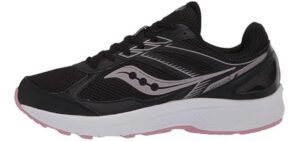
- VersaRun cushioning absorbs impact, and the heel stands about an inch tall for stable footing.
- The redesigned outsole borrows from Saucony’s trusted trainers and holds up to many miles.
- The lace-up fit is secure and comfortable for walking and easy runs.
7
Cushioned Athletic Shoe
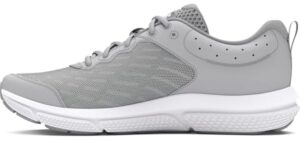
Under Armour Charged Assert 10 - Men


Under Armour Charged Assert 10 - Women


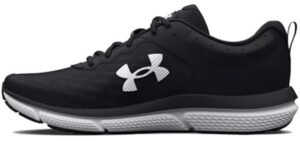
- The breathable mesh upper has synthetic overlays for durability and support.
- An EVA sockliner adds soft step-in comfort, and the Charged Cushioning midsole uses compression-molded foam.
- The solid rubber outsole covers high-wear zones, the offset is 10 mm and the shoe weighs about 9.5 oz.
Index Table: Top Rated Shoes for Posterior Tibial Tendonitis
| No. | Shoe | Men ♂ | Women ♀ | Features | Brand |
|---|---|---|---|---|---|
| 1 | Asics® - Neutral Cushioned Trainer | 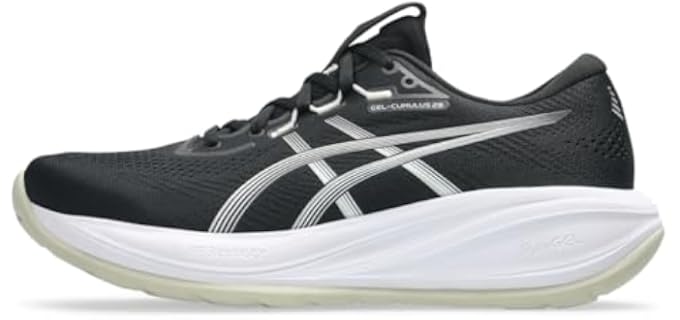 | 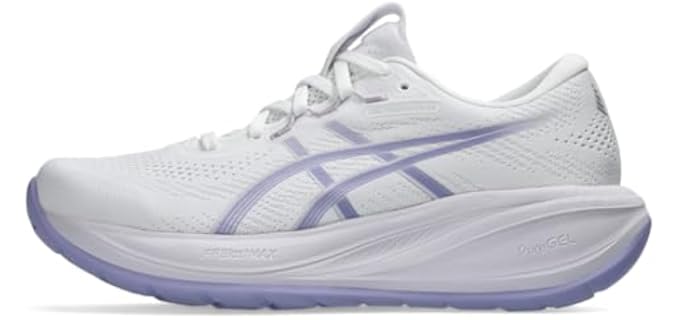 |
| Asics |
| 2 | Asics® - Max-Cushion Neutral Trainer | 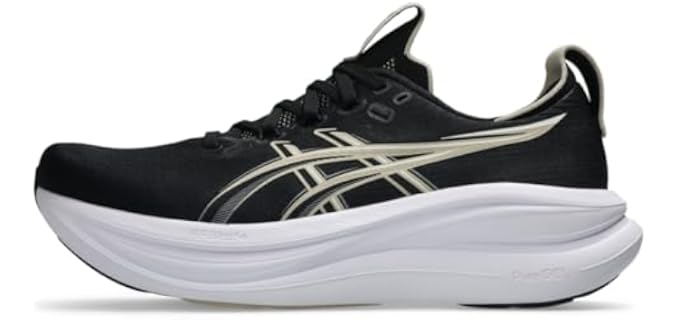 | 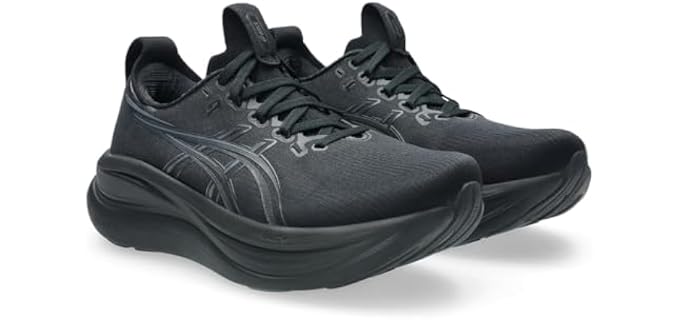 |
| Asics |
| 3 | Under Armour® - Breathable Running Shoe | 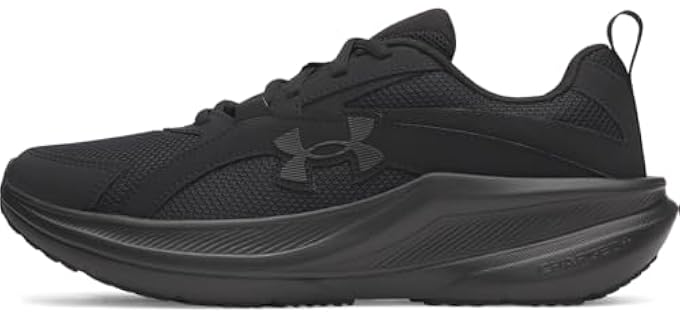 | 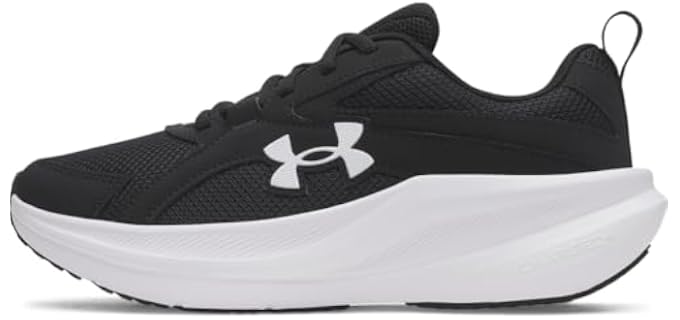 |
| Under Armour |
| 4 | New Balance® - Cushioned Daily Trainer | 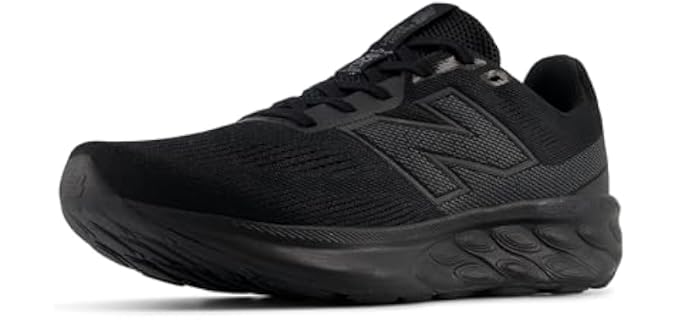 | 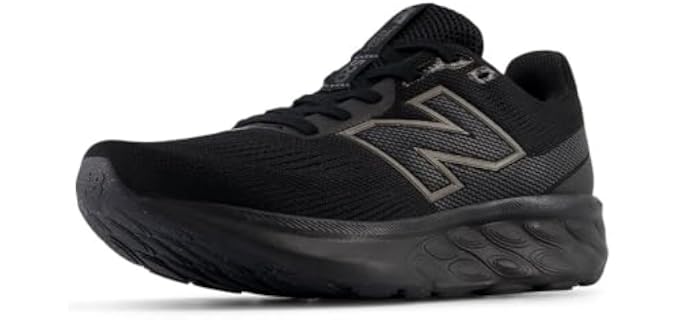 |
| New Balance |
| 5 | New Balance® - Casual Cross Trainer | 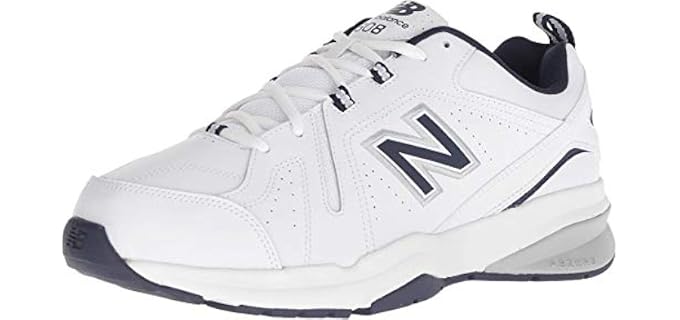 | 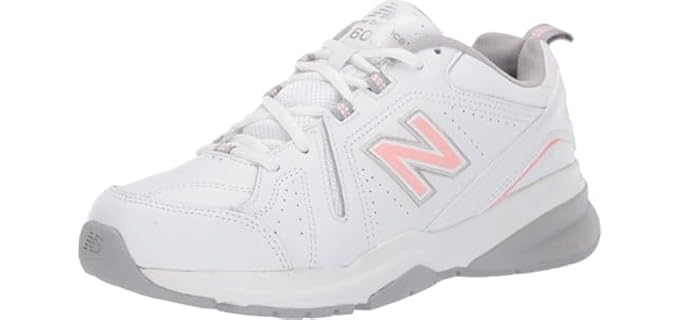 |
| New Balance |
| 6 | Saucony® - Neutral Everyday Trainer | 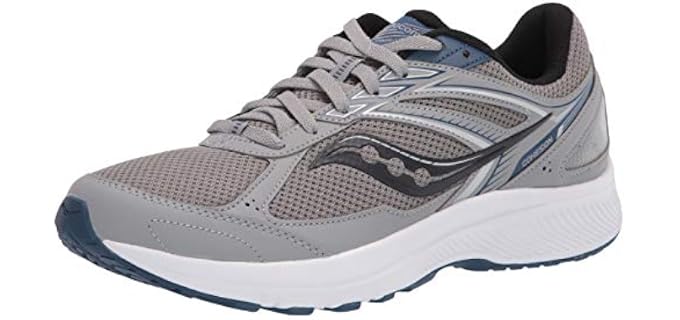 | 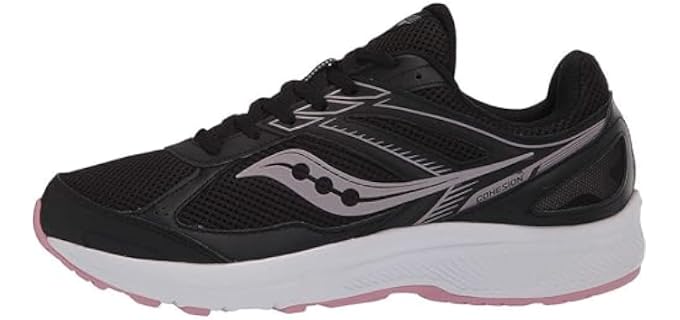 |
| Saucony |
| 7 | Under Armour® - Cushioned Athletic Shoe | 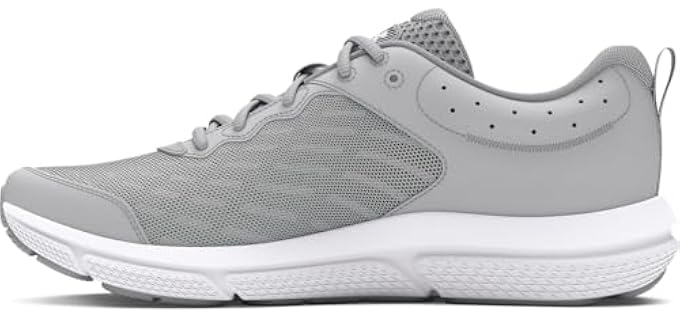 | 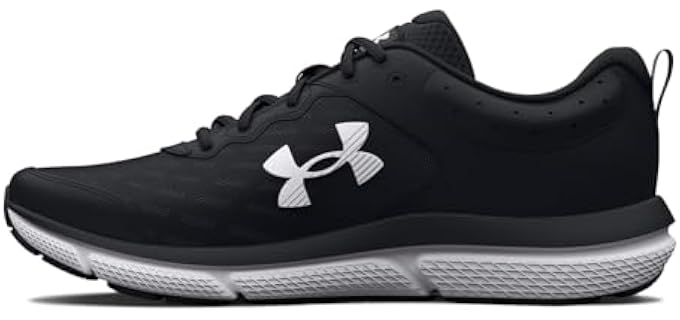 |
| Under Armour |
Conclusion
Wear supportive shoes with room for an orthotic, rest your feet after long days, and follow your provider’s advice.[1][2] See a doctor or podiatrist if pain along the inside of your ankle continues.
Sources
- Cleveland Clinic. Posterior Tibial Tendonitis and Posterior Tibial Tendon Dysfunction (PTTD). Accessed October 27, 2026.
- Cleveland Clinic. Orthotics. Accessed October 27, 2026.
Update History
- Oct 2026: Rewrote the article around Cleveland Clinic guidance, added a disclaimer, takeaways, How We Chose section and FAQ, removed the claims that orthotics greatly alleviate pain and prevent inflammation and the unsourced age and diabetes risk claims, and removed the unrelated falls and walking sources
- Oct 2026: Updated Asics Gel Cumulus 24 to Gel Cumulus 28; replaced New Balance 990V5 with New Balance Fresh Foam 520 v9; replaced Dansko Vince with Under Armour Charged+ Assert 11; replaced Orthofeet Sprint with New Balance 608 V5; updated Asics Gel Nimbus 26 to Gel Nimbus 28; replaced Saucony Redeemer with Saucony Cohesion 14; replaced Orthofeet Broadway with Under Armour Charged Assert 10
- Oct 2026: Removed ECCO New Jersey, Cole Haan Nantucket, Clarks Portland and Clarks Grove Step (unavailable)
- Oct 2026: Added a Key Specs table and a Sources section; checked availability of every product
- May 2019: Published


