Ankles that roll, ache or give way make every walk harder. The American Academy of Orthopaedic Surgeons (AAOS) says a previous ankle sprain increases the risk of a repeat sprain, and that repeated sprains can lead to long-term problems including chronic ankle pain, arthritis and instability.[1]
This guide covers what the AAOS and Cleveland Clinic say about footwear and six pairs for men and women that are in stock on the web US.

Bad ankles and shoes
- The AAOS lists wearing shoes that do not provide enough foot and ankle support and shoes with slippery soles among the risk factors for ankle sprains. Poor balance, loose ligaments, poor ankle alignment and a previous sprain are the others.[1]
- The AAOS says rehabilitation includes strengthening exercises and proprioception (balance) training, and that poor balance often leads to repeat sprains and ankle instability.[1]
- Cleveland Clinic says overpronation (the foot rolling inward more than it should) can increase your risk of foot, ankle and leg injuries, and that it can usually be managed with supportive shoes, orthotic inserts and physical therapy.[2]
- Choose a supportive shoe with a grippy sole, and ask a doctor or physical therapist about exercises and braces.
Causes and Risk Factors for Weak Ankles
The AAOS explains that ankle sprains are injuries to the ligaments that stabilize the ankle, and that around 90 percent of them involve the foot turning inward. A severe sprain can weaken the ankle and make another injury more likely.[1] It lists these risk factors:[1]
- Balance – Poor balance.
- Ligaments – Ligaments that are too loose or flexible.
- Alignment – Poor ankle alignment.
- Footwear – Shoes that do not provide enough foot and ankle support, or shoes with slippery soles.
- History – A previous ankle sprain.
Overpronation is another factor. Cleveland Clinic says the foot and ankle tip farther past a neutral position than usual, which can put too much pressure on parts of the foot, and that supportive shoes, orthotic inserts and physical therapy can usually manage it.[2] Our overpronation walking shoes guide has more options. If arthritis is behind your ankle pain, a doctor can advise on footwear.
What to Look for in a Shoe for Bad Ankles
The AAOS names support and grip, so those come first. We also look at features makers describe for stability.
- Support – A shoe that holds the foot and ankle steady. The AAOS lists shoes without enough foot and ankle support as a risk factor for sprains.[1]
- Grip – A rubber outsole with tread. The AAOS lists slippery soles as a risk factor.[1]
- Stability Features – Some makers build stability into the midsole or add a rollbar for pronation control. Cleveland Clinic says supportive shoes are one way to manage overpronation.[2]
- Padded Collar – A cushioned collar around the ankle keeps the foot comfortable.
- Removable Insole – Room for an orthotic if a doctor recommends one.[2]
How We Chose These Shoes
We do not test shoes ourselves. We compared each model’s support features, outsole and fit using the makers’ descriptions and The web product pages, and we kept only pairs that are in stock on the web US. Brands do not pay to be included, but we may earn a commission from purchases.
Frequently Asked Questions (FAQ) on Shoes for Bad Ankles
- Can shoes cause ankle sprains?
The AAOS lists wearing shoes that do not provide enough foot and ankle support, and shoes with slippery soles, among the risk factors for ankle sprains.[1] - Can shoes fix weak ankles?
No. The AAOS says rehabilitation includes strengthening exercises and balance training, and that poor balance often leads to repeat sprains and instability.[1] Shoes are one part of the plan. - Do I need stability shoes?
If your foot overpronates, Cleveland Clinic says it can usually be managed with supportive shoes, orthotic inserts and physical therapy. A podiatrist can tell you whether you overpronate.[2] - When should I see a doctor?
See a doctor if your ankle gives way, swells, hurts at rest, or you cannot put weight on it. The AAOS notes that repeated sprains can lead to chronic pain, arthritis and instability.[1]
Key Specs
| No. | Shoe | Type | Closure | Width options | Drop / Cushion | Weight |
|---|---|---|---|---|---|---|
| 1 | Brooks Addiction Walker 2 | Walking | Lace-up | Medium, Wide, X-Wide | BioMoGo DNA | – |
| 2 | Asics GT-1000 14 | Running | Lace-up | Medium, Wide, X-Wide | FF BLAST | – |
| 3 | Under Armour Charged+ Assert 11 | Running | Lace-up | Medium, Wide, X-Wide | – | 10.2 oz |
| 4 | Asics Gel Cumulus 28 | Running | – | Medium, Wide, X-Wide | FF BLAST MAX | – |
| 5 | New Balance 608 V5 | Casual sneaker | – | Medium, Wide, X-Wide | ABZORB | – |
| 6 | Under Armour Charged Assert 10 | Shoe | – | Medium, Wide, X-Wide | 10 mm drop / Charged Cushioning | 9.5 oz |
– = not stated by the maker. Specs as stated by the maker, not tested by us.
Reviews: Shoes for Bad Ankles
Here are our picks. Each pair is in stock on the web US. We may earn a commission if you buy through the links on this page, at no extra cost to you.
Stability Shoes for Bad Ankles
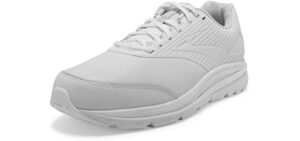
1Leather Stability Walker
Brooks Addiction Walker 2 - Men


Brooks Addiction Walker 2 - Women


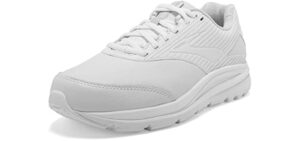
- BioMoGo DNA cushioning adapts to your weight, speed and stride.
- The extended Progressive Diagonal Rollbar guides your stride and adds arch and pronation control.
- The full-grain leather upper is durable, and Brooks lists the shoe as PDAC A5500 certified.
2
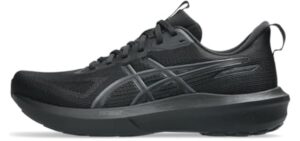
Stability Running Shoe
Asics GT-1000 14 - Men


Asics GT-1000 14 - Women


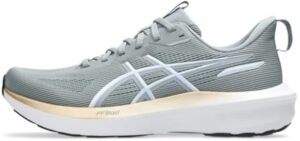
- The 3D Guidance System is a stability system built into the shape of the platform.
- FF BLAST foam cushions the midsole, and rearfoot PureGEL is a softer version of Asics GEL.
- The engineered mesh upper is breathable, and the outsole rubber grips without wearing quickly.
Cushioned Trainers for Bad Ankles
3Breathable Running Shoe
Under Armour Charged+ Assert 11 - Men


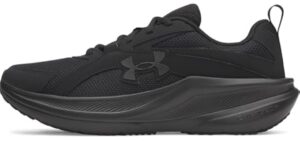
Under Armour Charged+ Assert 11 - Women


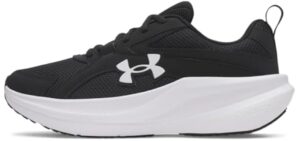
- The mesh upper has leather overlays that add midfoot support, and at least 30% of the upper is recycled content.
- Charged+ midsole cushioning is soft, and the rubber outsole has flex grooves for toe-off.
- It weighs about 10.2 oz and comes in medium, wide and extra-wide widths.
4
Neutral Cushioned Trainer
Asics Gel Cumulus 28 - Men


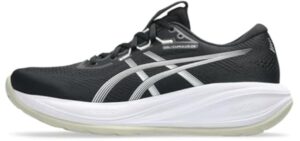
Asics Gel Cumulus 28 - Women


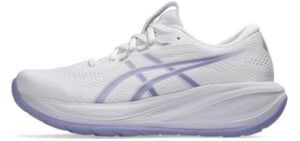
- FF Blast Max foam and rearfoot PureGEL cushion each landing and return energy at toe-off.
- The engineered mesh upper is light and breathable, and the Fluidride outsole blends EVA and rubber for traction without extra weight.
- An OrthoLite X-30 sockliner cushions and manages moisture, and reflective details help you stay visible in low light.
5
Casual Cross Trainer
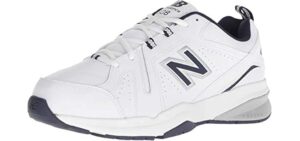
New Balance 608 V5 - Men


New Balance 608 V5 - Women


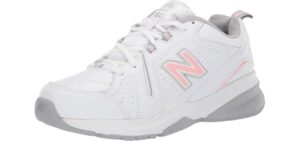
- An Abzorb heel crash pad absorbs impact, and a molded insert adds cushioning underfoot.
- The suede upper breaks in to your foot, and dual-density collar foam steadies the ankle.
- A Phantom Liner interior has few seams to rub, and the EVA midsole has an internal shank for midfoot stability.
6
Cushioned Athletic Shoe
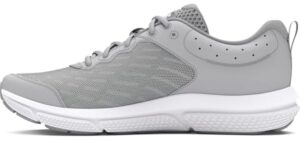
Under Armour Charged Assert 10 - Men


Under Armour Charged Assert 10 - Women


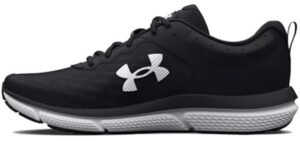
- The breathable mesh upper has synthetic overlays for durability and support.
- An EVA sockliner adds soft step-in comfort, and the Charged Cushioning midsole uses compression-molded foam.
- The solid rubber outsole covers high-wear zones, the offset is 10 mm and the shoe weighs about 9.5 oz.
Index Table: Top Rated Shoes for Bad Ankles
| No. | Shoe | Men ♂ | Women ♀ | Features | Brand |
|---|---|---|---|---|---|
| 1 | Brooks® - Leather Stability Walker | 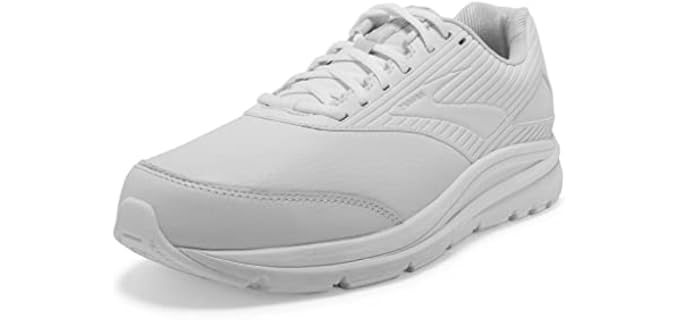 | 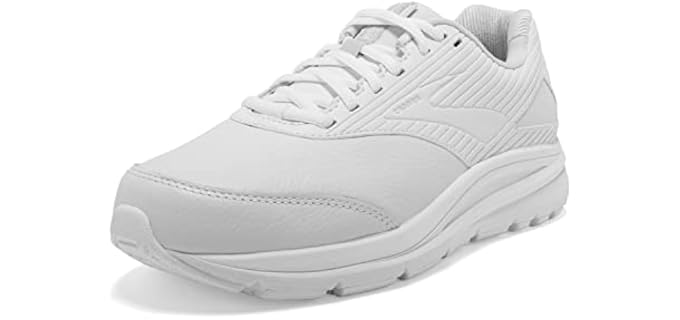 |
| Brooks |
| 2 | Asics® - Stability Running Shoe | 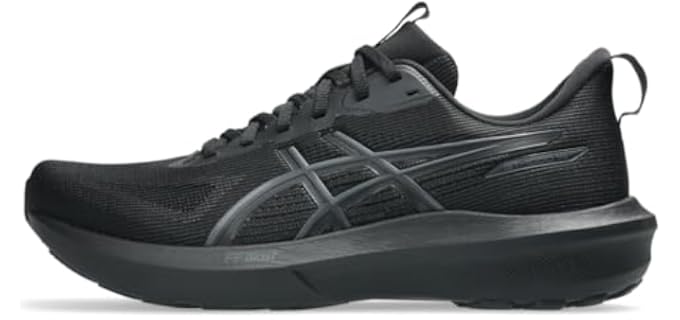 | 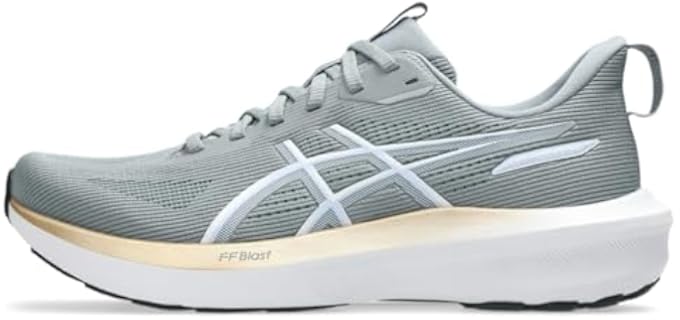 |
| Asics |
| 3 | Under Armour® - Breathable Running Shoe | 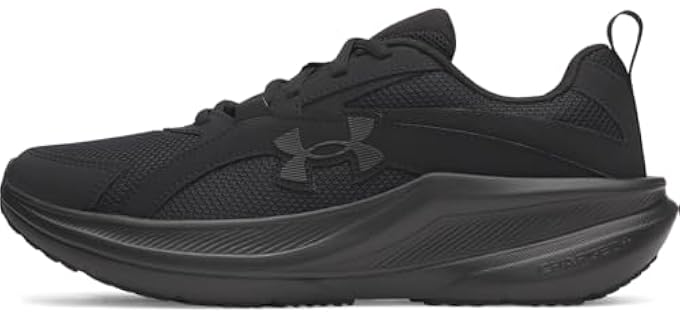 | 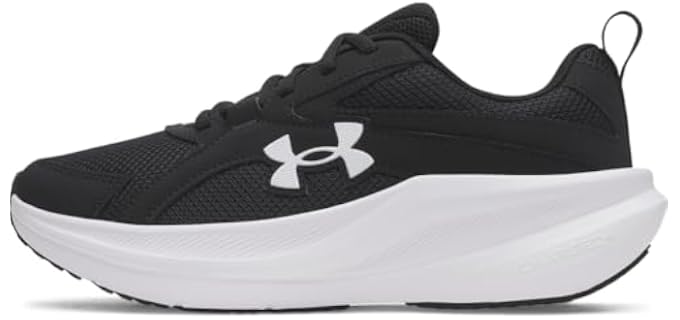 |
| Under Armour |
| 4 | Asics® - Neutral Cushioned Trainer | 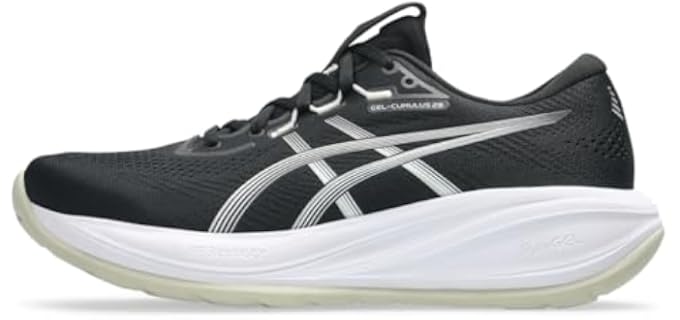 | 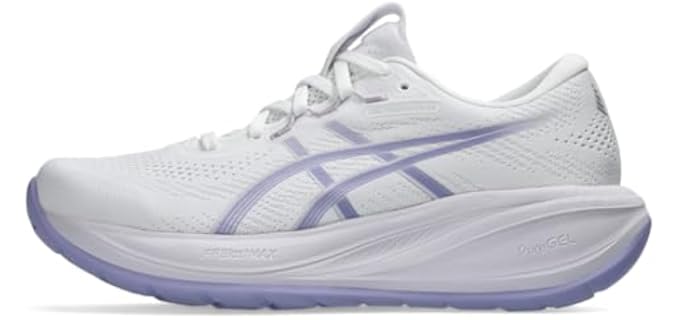 |
| Asics |
| 5 | New Balance® - Casual Cross Trainer | 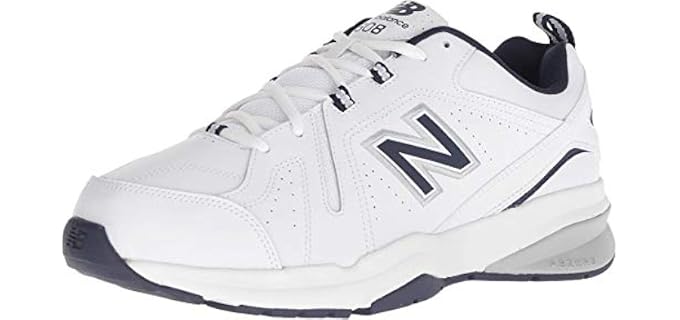 | 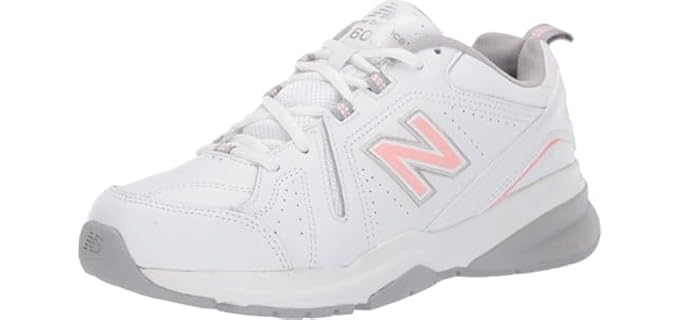 |
| New Balance |
| 6 | Under Armour® - Cushioned Athletic Shoe | 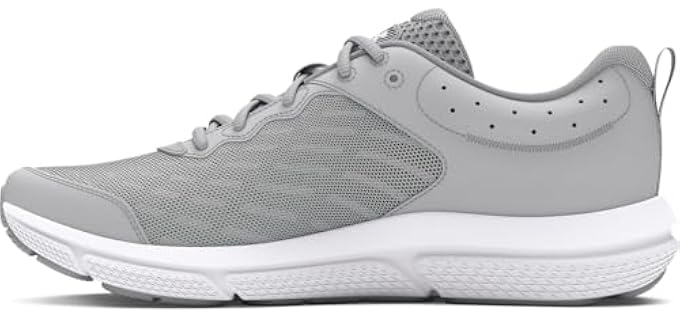 | 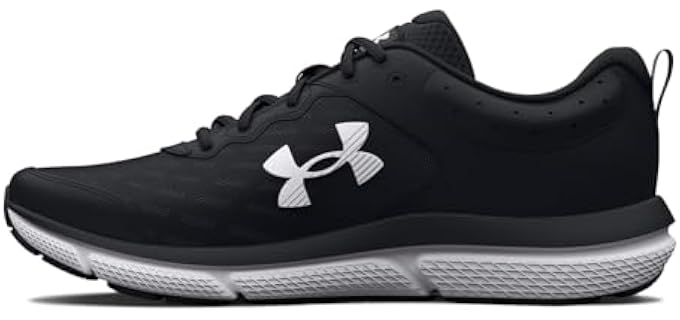 |
| Under Armour |
Conclusion
Pick a supportive shoe with a grippy sole, and combine it with the strengthening and balance work your doctor or physical therapist recommends.[1]
Sources
- American Academy of Orthopaedic Surgeons (OrthoInfo). Sprained Ankle. Accessed October 27, 2026.
- Cleveland Clinic. Overpronation. Accessed October 27, 2026.
Update History
- Oct 2026: Rewrote the article around AAOS (OrthoInfo) and Cleveland Clinic guidance, added a disclaimer, takeaways, How We Chose section and FAQ, removed the claims that shoes reduce injury risk and ease pain, and removed the Vans Brooklyn LS and Nike Run Defy (low-cut shoes without stability features)
- Oct 2026: Replaced Hoka Bondi 7 with Under Armour Charged+ Assert 11; replaced Brooks Addiction Walker with Brooks Addiction Walker 2; replaced Vans Classic with Vans Brooklyn LS; replaced Clarks Paulson with New Balance 608 V5; updated Asics GT-1000 10 to GT-1000 14; updated Asics Gel Cumulus 24 to Gel Cumulus 28; replaced Orthofeet Glacier with Under Armour Charged Assert 10; replaced Nike Epic React with Nike Run Defy
- Oct 2026: Removed Dr. Comfort Frank (unavailable)
- Oct 2026: Added a Key Specs table and a Sources section; checked availability of every product
- Feb 2020: Published


