Shoes do not heal the tendons, but the Cleveland Clinic lists supportive shoes among the ways to protect them.[1] This guide covers what to look for and seven pairs for men and women that are in stock on the web US.

Peroneal tendonitis shoe basics
- The Cleveland Clinic says symptoms include ankle pain along the tendon that gets worse with activity, and swelling, redness or warmth around it.[1]
- People over 40, people with high arches, people with diabetes, gout or arthritis, and people who are overweight or have had tendon injuries are more likely to develop it.[1]
- Treatment can include rest, ice, compression and elevation, bracing, anti-inflammatory medicine, physical therapy or a boot. Most people recover fully in about a month, and a provider should clear you before you return to full activity.[1]
- Prevention tips include supportive shoes, and orthotics for high arches only if your provider recommends them.[1]
What Is Peroneal Tendonitis
The peroneal tendons connect the muscles of the lower leg to the bones of the foot and run behind the outer ankle bone.[1] Overuse is the usual trigger, and it is more common in sports with a lot of ankle movement.[1]
People with high arches are more at risk.[1] If your foot tends to roll outward, our guide to shoes for underpronation may help.
The Cleveland Clinic warns that peroneal tendonitis is easy to mistake for a sprain, arthritis or a fracture, and that untreated cases can lead to a tendon rupture. Get a diagnosis before you decide it is only a sore ankle.[1]
How to Choose Shoes for Peroneal Tendonitis
The aim is stable, cushioned footing that does not twist your ankle.
- Supportive Heel and Ankle – The Cleveland Clinic names supportive shoes as a prevention measure. A firm heel counter, the back of the shoe that holds your heel in place, adds stability.[1][2]
- Cushioning – Foam in the midsole and a cushioned insole soften each step. OrthoInfo says shoe foam breaks down over time, so replace worn pairs.[2]
- A Stable Base – A wide, flat platform and a firm outsole keep the foot from rolling to the outside. A light shoe puts less weight on the ankle.
- Room for an Orthotic – If you have high arches, a doctor may recommend an orthotic. A shoe with a removable insole accepts one.[1]
- A Proper Fit – Leave at least a half inch between your longest toe and the end of the shoe, and shop at the end of the day when feet are largest.[2]
Features of a Good Shoe for Peroneal Tendonitis

- Upper – Breathable mesh or soft leather, with a padded tongue and collar for a snug but comfortable fit.
- Midsole – Cushioning foam such as DNA Loft, Fresh Foam or PureGEL gives shock absorption, and guidance features steady the foot.
- Outsole – Rubber with a patterned tread for grip on wet and dry surfaces.
- Sizes and Widths – Many models come in medium, wide and extra-wide widths, so you can get a fit that does not squeeze the sides of the foot.
How We Chose These Shoes
We do not test shoes ourselves. We compared each model’s cushioning, closure, width options and fit using the makers’ descriptions and The web product pages, and we kept only pairs that are in stock on the web US. Brands do not pay to be included, but we may earn a commission from purchases.
Frequently Asked Questions (FAQ) on Shoes for Peroneal Tendonitis
- How long does peroneal tendonitis take to heal?
The Cleveland Clinic says conservative treatment usually eases tendon pain and inflammation within three to four weeks, and most people recover fully in about a month. Recovery takes longer if another injury such as a sprain caused it.[1] - Can I keep walking with peroneal tendonitis?
The Cleveland Clinic advises resting by avoiding strenuous activities and never pushing through foot or ankle pain. Talk to your provider before going back to full activity or your sport.[1] - Do high arches cause peroneal tendonitis?
They raise the risk. The Cleveland Clinic lists high arches among the risk factors, and says to wear orthotics for high arches only if your healthcare provider recommends them.[1] - When should I call a doctor?
The Cleveland Clinic says to contact your provider if you cannot walk or put weight on the foot or ankle, cannot rotate the ankle, feel a snapping or popping, have severe sudden pain, or notice swelling or discoloration.[1]
Key Specs
| No. | Shoe | Type | Closure | Width options | Drop / Cushion | Weight |
|---|---|---|---|---|---|---|
| 1 | Asics GEL-Nimbus 28 | Running | – | Medium, Wide, X-Wide | PureGEL | – |
| 2 | Brooks Glycerin 23 | Running | – | Medium, Wide, X-Wide | DNA Tuned | – |
| 3 | Under Armour Charged+ Assert 11 | Dress/casual | Lace-up | Medium, Wide, X-Wide | – | 10.2 oz |
| 4 | Saucony Cohesion 19 | Running | – | Medium, Wide | 10 mm drop | – |
| 5 | New Balance M990V6 / W990V6 (women's) | Walking | – | Medium, Wide, X-Wide | – | – |
| 6 | Propet Walker | Walking | Lace-up | Medium, Wide, X-Wide | – | – |
| 7 | Orthofeet ClearWater / Laguna (women's) | Sandal | Strap | Medium, Wide | – | – |
– = not stated by the maker. Specs as stated by the maker, not tested by us.
Reviews: Shoes for Peroneal Tendonitis
Here are our picks. Each pair is in stock on the web US. We may earn a commission if you buy through the links on this page, at no extra cost to you.
Cushioned Trainers for Peroneal Tendonitis
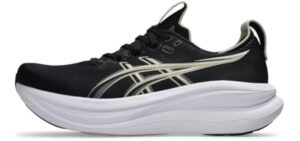
1Max-Cushion Neutral Trainer
Asics GEL-Nimbus 28 - Men


Asics GEL-Nimbus 28 - Women


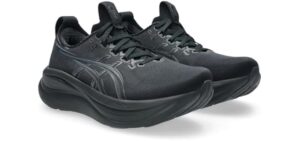
- The engineered knit upper is light and breathable, with few overlays.
- Rearfoot PureGEL and FF Blast Plus foam give a soft landing and a responsive ride.
- An OrthoLite X-55 sockliner manages moisture, reflective details add visibility, and the Hybrid Asicsgrip outsole grips on varied surfaces.
2
Max-Cushion Neutral Trainer
Brooks Glycerin 23 - Men


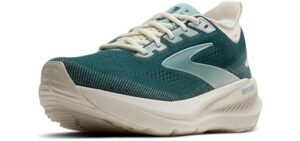
Brooks Glycerin 23 - Women


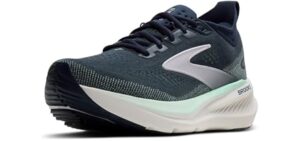
- Nitrogen-infused DNA Tuned foam has 2 mm more cushioning in the forefoot for soft landings.
- A wide platform and sculpted midsole keep heel-to-toe transitions smooth.
- The knit upper wraps the foot with a little stretch, and the 8 mm offset suits daily use.
3
Neutral Trainer with Wide Options
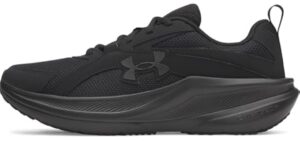
Under Armour Charged+ Assert 11 - Men


Under Armour Charged+ Assert 11 - Women


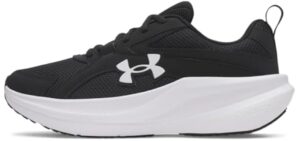
- The mesh upper has leather overlays that add midfoot support, and at least 30% of the upper is recycled content.
- Charged+ midsole cushioning is soft, and the rubber outsole has flex grooves for toe-off.
- It weighs about 10.2 oz and comes in medium, wide and extra-wide widths.
4
Saucony® Men's Cohesion 19 Budget Neutral Trainer


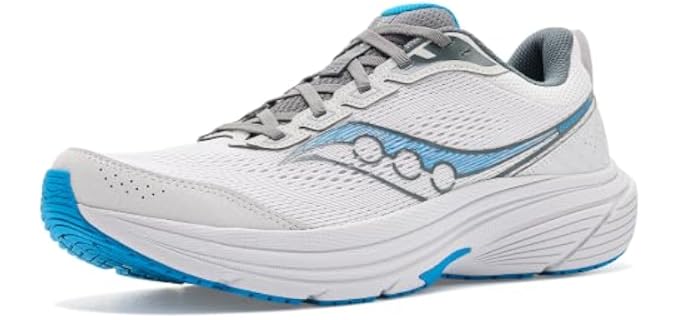
The Saucony Cohesion 19 is a neutral, comfortably cushioned trainer at a modest price.
- Reformulated VersaRun foam gives more cushion and response underfoot.
- An XT-900 carbon rubber outsole protects against wear.
- The breathable engineered mesh upper fits securely, and the 10 mm offset suits easy walks and runs.
Walking Shoes for Peroneal Tendonitis
5Made in USA Cushioned Sneaker
New Balance M990V6 - Men


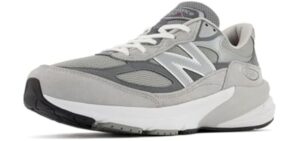
New Balance W990V6 - Women


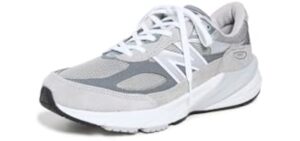
- The upper is pig suede and mesh.
- The women’s pair has FuelCell foam and an Encap midsole, which pairs lightweight foam with a polyurethane rim for cushioning that holds up.
- It laces up, and both pairs come in several widths.
6
Stability Walking Shoe with Wide Base
Propet Walker - Men


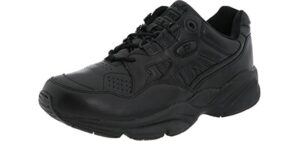
Propet Walker - Women


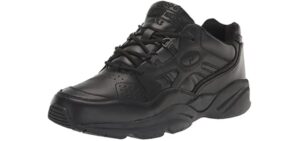
- A wider forefoot and heel base add stability, and a rocker profile helps the foot roll forward.
- The PU insole has a heel pad and cushioning ridges, and it comes out to make room for a custom orthotic.
- The shoe is approved under the Medicare Therapeutic Shoe benefit for people with diabetes.
Closed-Toe Sandals for Peroneal Tendonitis
7Closed-Toe Fisherman Sandal
Orthofeet ClearWater - Men


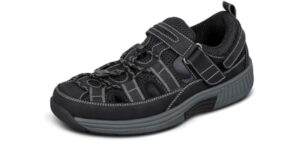
Orthofeet Laguna - Women


- The men’s Clearwater has a leather upper, two-way straps that open on both sides, and an adjustable heel strap.
- The women’s Laguna has a stretch fabric upper that follows the foot and eases pressure on bunions.
- Both include an orthotic insole with arch support and have a wide toe box.
Index Table: Top Rated Shoes for Peroneal Tendonitis
| No. | Shoe | Men ♂ | Women ♀ | Features | Brand |
|---|---|---|---|---|---|
| 1 | Asics® - Max-Cushion Neutral Trainer | 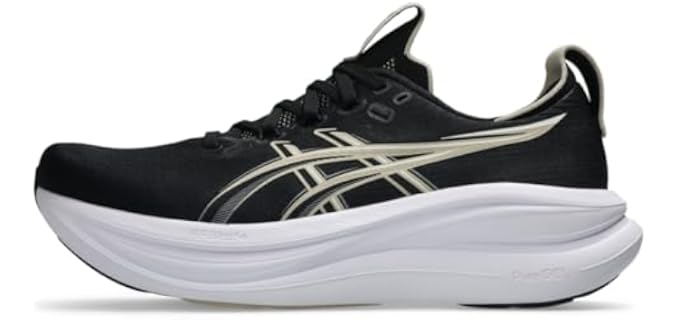 | 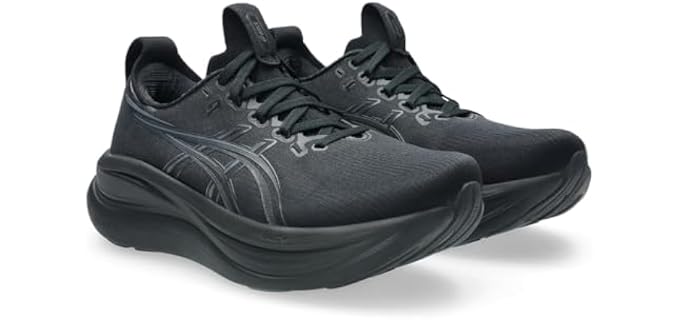 |
| Asics |
| 2 | Brooks® - Max-Cushion Neutral Trainer | 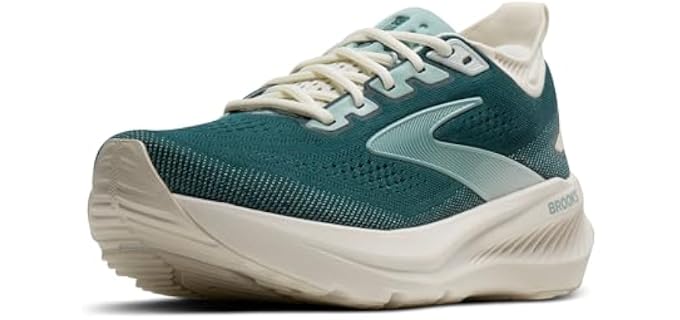 | 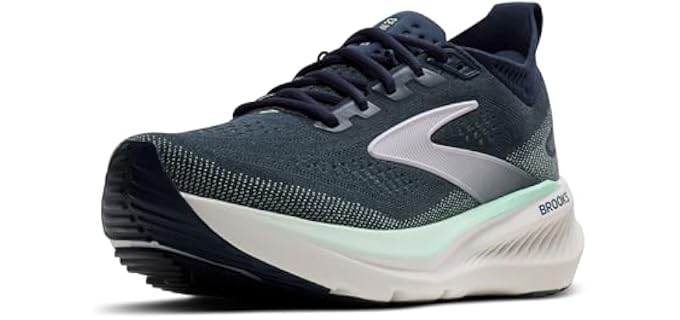 |
| Brooks |
| 3 | Under Armour® - Neutral Trainer with Wide Options | 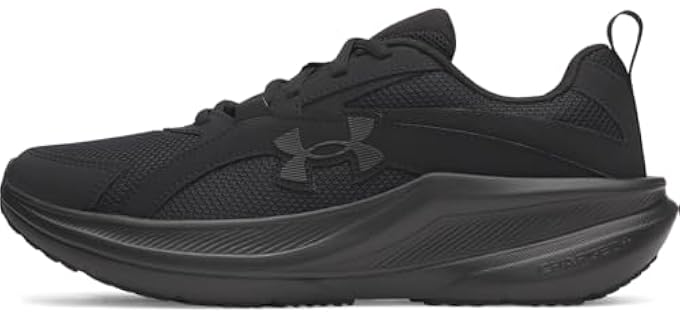 | 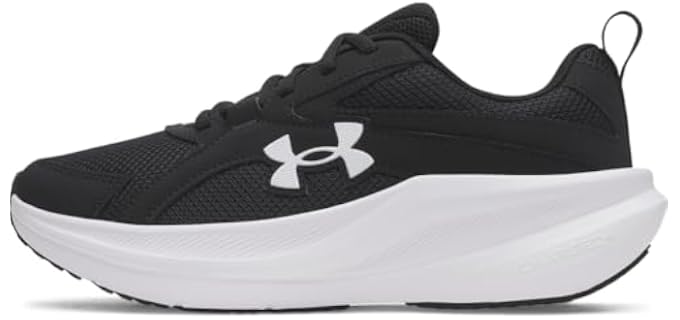 |
| Under Armour |
| 5 | New Balance® - Made in USA Cushioned Sneaker | 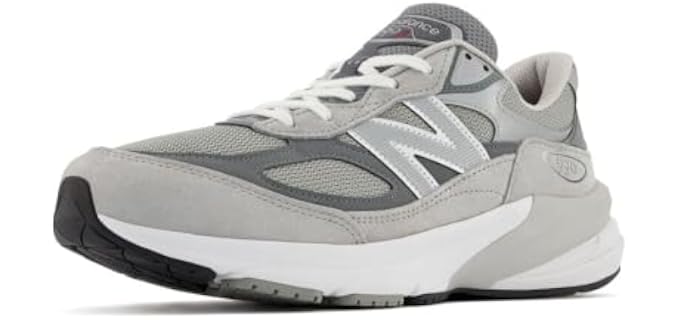 | 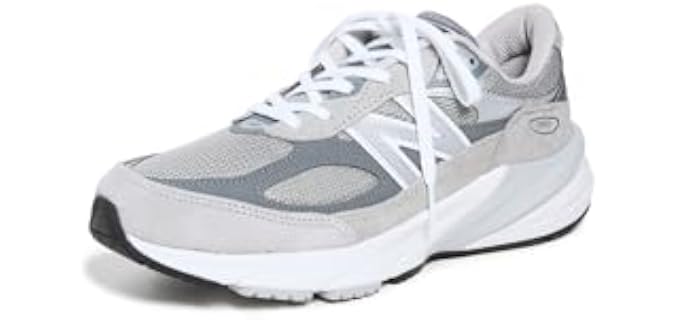 |
| New Balance |
| 6 | Propet® - Stability Walking Shoe with Wide Base | 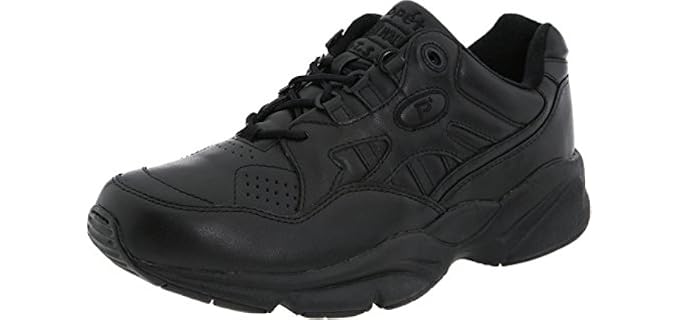 | 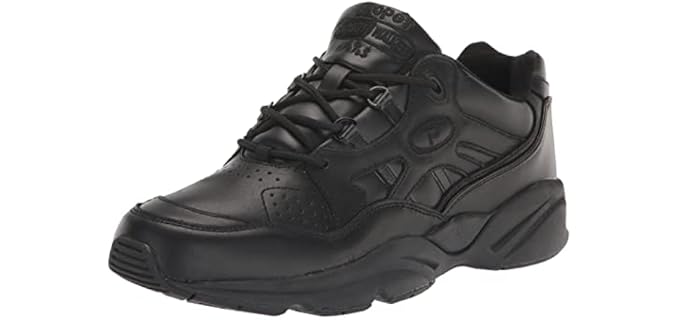 |
| Propet |
| 7 | Orthofeet® - Closed-Toe Fisherman Sandal | 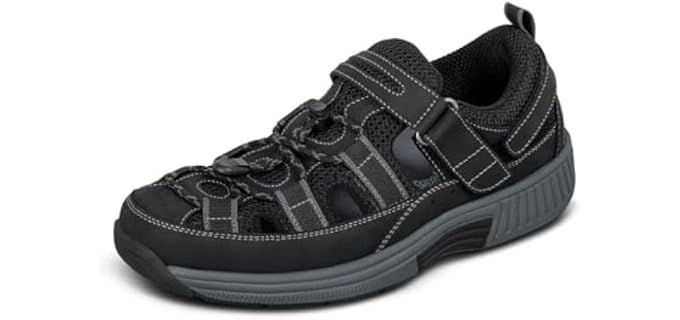 |  |
| Orthofeet |
Importance of Supportive Shoes
Peroneal tendonitis usually heals in a few weeks with rest and treatment, and the shoes you wear should support the ankle while it does. Choose a stable, cushioned pair that fits well and see your provider if the pain lingers.[1][2]
Sources
- Cleveland Clinic. Peroneal Tendonitis. Accessed October 26, 2026.
- American Academy of Orthopaedic Surgeons (OrthoInfo). Athletic Shoes. Accessed October 26, 2026.
Update History
- Oct 2026: Rewrote the article around Cleveland Clinic and OrthoInfo guidance, added a disclaimer, takeaways, How We Chose section and FAQ, regrouped the shoes under correct headings and changed the Saucony Cohesion 19 to a men’s-only entry because the women’s pair on the web is the older Cohesion 18
- Oct 2026: Updated Asics GEL-Nimbus 26 to GEL-Nimbus 28; updated Brooks Glycerin 19 to Glycerin 23; updated Saucony Cohesion 11 to Cohesion 19; updated New Balance M990V5 to M990V6; replaced Orthofeet Lincoln with Under Armour Charged+ Assert 11
- Oct 2026: Removed Dr. Comfort Wing, Skechers Afterburn and New Balance Fresh Foam 1080V11 (unavailable)
- Oct 2026: Added a Key Specs table and a Sources section; checked availability of every product
- Apr 2020: Published


