Shoes do not cure it, but a soft sole, a low heel and plenty of room take pressure off the ball of the foot while it settles.[1][2] This guide covers what to look for and eight pairs for men and women that are in stock on the web US.

Sesamoiditis shoe basics
- OrthoInfo says sesamoiditis is a form of tendinitis, common among ballet dancers, runners and baseball catchers. Pain develops gradually under the big toe on the ball of the foot.[1]
- For sesamoiditis, OrthoInfo advises stopping the activity that causes the pain, resting the foot, wearing soft-soled, low-heeled shoes, using a cushioning pad under the sesamoids and avoiding activities that put weight on the balls of the feet. It adds that stiff-soled shoes such as clogs may also be comfortable.[1]
- The NHS says to wear shoes with plenty of room, a low heel and a soft sole, to use soft insoles or pads, and to avoid high heels and tight, pointy shoes.[2]
- See a doctor if the pain stops you doing normal activities, keeps getting worse or coming back, or has not improved after two weeks of home care. People with diabetes should get foot pain checked.[2]
What Is Sesamoiditis
The sesamoids are two small bones, each about the size of a kernel of corn, under the big toe joint. They act like pulleys for the tendons, help with weight bearing and help lift the bones of the big toe.[1] Like other bones they can fracture, and the tendons around them can become irritated or inflamed.[1]
A doctor tells the two apart with an exam and X-rays, so do not guess. A fracture usually hurts right after an injury that bends the big toe backward, while sesamoiditis tends to come on gradually.[1] The NHS adds that pain in the ball of the foot often comes from exercise such as running, from shoes that are too tight, or from a condition such as arthritis.[2]
What to Look For in a Shoe
Everything here aims at one thing, which is less pressure on the ball of the foot.
- Soft Sole and Forefoot Cushioning – OrthoInfo and the NHS both recommend a soft sole. Thick foam under the forefoot softens each push-off.[1][2]
- Low Heel – A low heel keeps weight off the front of the foot, and both sources say to avoid high heels.[1][2]
- Plenty of Room – The NHS says to wear shoes with plenty of room for your feet. Look for a roomy toe box and a wide-width option, and skip tight, pointy shoes.[2]
- Room for a Pad or Insole – OrthoInfo and the NHS both mention cushioning pads and soft insoles. A shoe with a removable footbed can hold one without squeezing the foot.[1][2]
- A Steady Sole – A firm, even outsole with tread keeps your stride smooth. OrthoInfo notes that stiff-soled shoes may also feel comfortable.
Features of a Good Shoe for Sesamoiditis

- Midsole – Look for thick, shock-absorbing foam and a cushioned insole.
- Upper – Soft mesh, textile or leather that does not press on the big toe joint.
- Outsole – Rubber with a patterned tread for grip and a steady stride.
- Fit – A toe box with space for your toes to spread.
How We Chose These Shoes
We do not test shoes ourselves. We compared each model’s cushioning, closure, width options and fit using the makers’ descriptions and The web product pages, and we kept only pairs that are in stock on the web US. Brands do not pay to be included, but we may earn a commission from purchases.
Frequently Asked Questions (FAQ) on Shoes for Sesamoiditis
- Can shoes help with sesamoiditis?
They can take pressure off the area while you recover. OrthoInfo recommends soft-soled, low-heeled shoes and a cushioning pad under the sesamoids, but shoes are one part of care that also includes rest.[1] - Are high heels bad for sesamoiditis?
Yes. The NHS says not to wear high heels or tight, pointy shoes when you have pain in the ball of the foot, because they put more pressure on that area.[2] - Do I need a stiff or a soft sole?
OrthoInfo recommends soft-soled, low-heeled shoes, and says stiff-soled shoes like clogs may also be comfortable. A doctor can advise which suits you, especially if a sesamoid fracture is possible.[1] - When should I see a doctor?
The NHS says to see a doctor if pain in the ball of the foot stops normal activities, gets worse or keeps coming back, or has not improved after treating it at home for two weeks. Get urgent advice for severe pain, a foot that has changed shape, or if you cannot walk.[2]
Key Specs
| No. | Shoe | Type | Closure | Width options | Drop / Cushion | Weight |
|---|---|---|---|---|---|---|
| 1 | Asics Gel Nimbus 28 | Running | – | Medium, Wide, X-Wide | PureGEL | – |
| 2 | Asics Gel Cumulus 28 | Running | – | Medium, Wide, X-Wide | FF BLAST MAX | – |
| 3 | Under Armour Charged+ Assert 11 | Dress/casual | Lace-up | Medium, Wide, X-Wide | – | 10.2 oz |
| 4 | Under Armour Charged Assert 10 | Shoe | – | Medium, Wide, X-Wide | 10 mm drop / Charged Cushioning | 9.5 oz |
| 5 | Saucony Cohesion 14 | Running | – | Medium | – | – |
| 6 | Skechers Go Walk 8 | Walking | Hands-free slip-in | Medium | ULTRA GO | – |
| 7 | New Balance 608 V5 | Walking | – | Medium, Wide, X-Wide | ABZORB | – |
| 8 | Apex Athletic | Walking | Lace-up | Medium, Wide, X-Wide | EVA | – |
– = not stated by the maker. Specs as stated by the maker, not tested by us.
Reviews: Shoes for Sesamoiditis
Here are our picks. Each pair is in stock on the web US. We may earn a commission if you buy through the links on this page, at no extra cost to you.
Cushioned Trainers for Sesamoiditis
1Max-Cushion Neutral Trainer
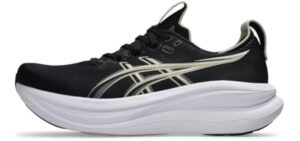
Asics Gel Nimbus 28 - Men


Asics Gel Nimbus 28 - Women


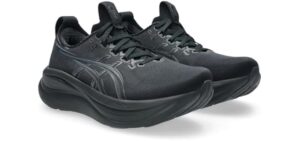
- The engineered knit upper is light and breathable, with few overlays.
- Rearfoot PureGEL and FF Blast Plus foam give a soft landing and a responsive ride.
- An OrthoLite X-55 sockliner manages moisture, reflective details add visibility, and the Hybrid Asicsgrip outsole grips on varied surfaces.
2
Neutral Cushioned Daily Trainer
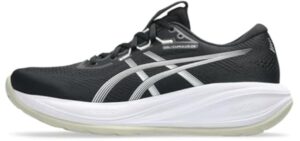
Asics Gel Cumulus 28 - Men


Asics Gel Cumulus 28 - Women


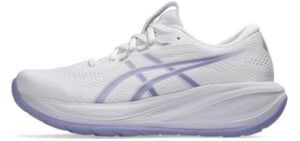
- FF Blast Max foam and rearfoot PureGEL cushion each landing and return energy at toe-off.
- The engineered mesh upper is light and breathable, and the Fluidride outsole blends EVA and rubber for traction without extra weight.
- An OrthoLite X-30 sockliner cushions and manages moisture, and reflective details help you stay visible in low light.
3
Neutral Trainer with Wide Options
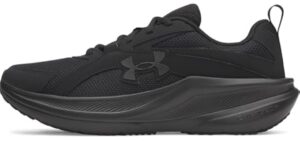
Under Armour Charged+ Assert 11 - Men


Under Armour Charged+ Assert 11 - Women


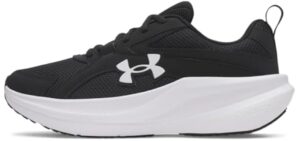
- The mesh upper has leather overlays that add midfoot support, and at least 30% of the upper is recycled content.
- Charged+ midsole cushioning is soft, and the rubber outsole has flex grooves for toe-off.
- It weighs about 10.2 oz and comes in medium, wide and extra-wide widths.
4
Light Everyday Trainer
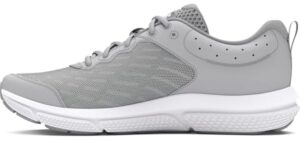
Under Armour Charged Assert 10 - Men


Under Armour Charged Assert 10 - Women


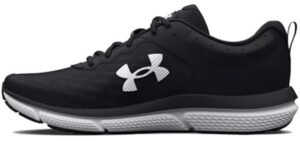
- The breathable mesh upper has synthetic overlays for durability and support.
- An EVA sockliner adds soft step-in comfort, and the Charged Cushioning midsole uses compression-molded foam.
- The solid rubber outsole covers high-wear zones, the offset is 10 mm and the shoe weighs about 9.5 oz.
5
Budget Neutral Trainer
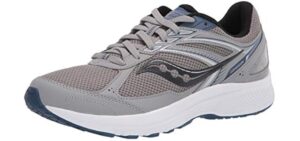
Saucony Cohesion 14 - Men


Saucony Cohesion 14 - Women


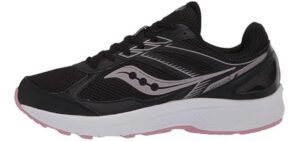
- VersaRun cushioning absorbs impact, and the heel stands about an inch tall for stable footing.
- The redesigned outsole borrows from Saucony’s trusted trainers and holds up to many miles.
- The lace-up fit is secure and comfortable for walking and easy runs.
Walking Shoes for Sesamoiditis
6Lightweight Cushioned Walking Shoe
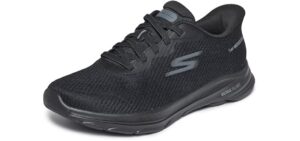
Skechers Go Walk 8 - Men


Skechers Go Walk 8 - Women


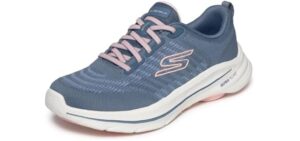
- The men’s pair is a Hands Free Slip-Ins style, so your heel slides in with no bending or tying.
- Ultra Go midsole cushioning and Comfort Pillar technology give support and rebound.
- An Air-Cooled Goga Mat insole and a dual-density outsole add cushioning and traction, and the shoes are machine washable.
7
Casual Cross Trainer
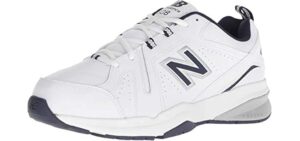
New Balance 608 V5 - Men


New Balance 608 V5 - Women


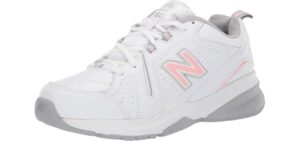
- An Abzorb heel crash pad absorbs impact, and a molded insert adds cushioning underfoot.
- The suede upper breaks in to your foot, and dual-density collar foam steadies the ankle.
- A Phantom Liner interior has few seams to rub, and the EVA midsole has an internal shank for midfoot stability.
8
Therapeutic Walking Shoe with Motion Control
Apex Athletic - Men


Apex Athletic - Women


- A Carboplast footbridge steadies the midfoot, and a slip-resistant rubber outsole grips smooth floors.
- The women’s V854W has a high, wide toe box and two removable insole layers that make room for an orthotic.
- The leather uppers have perforations for airflow, and the V854W is approved for diabetic feet.
Index Table: Top Rated Shoes for Sesamoiditis
| No. | Shoe | Men ♂ | Women ♀ | Features | Brand |
|---|---|---|---|---|---|
| 1 | Asics® - Max-Cushion Neutral Trainer | 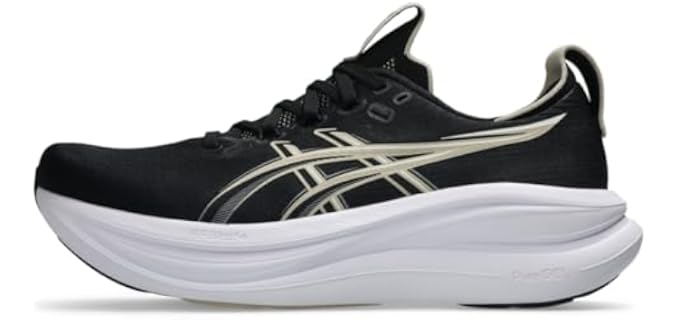 | 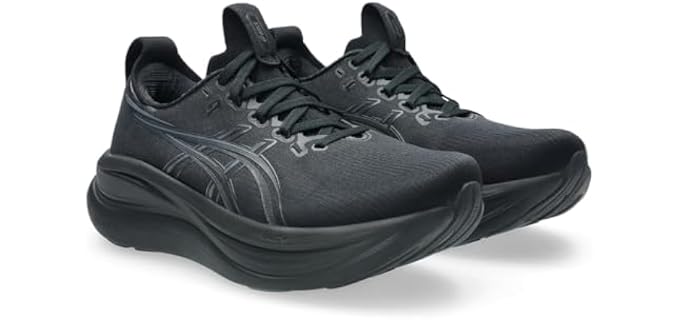 |
| Asics |
| 2 | Asics® - Neutral Cushioned Daily Trainer | 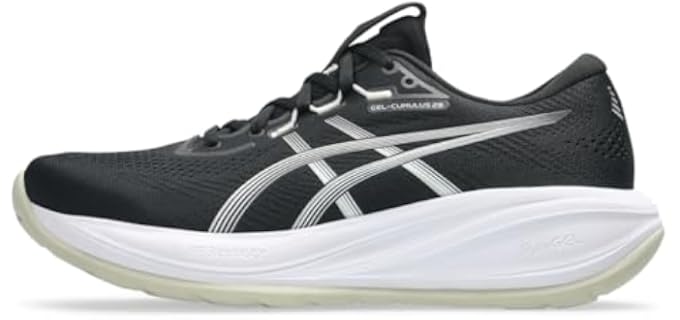 | 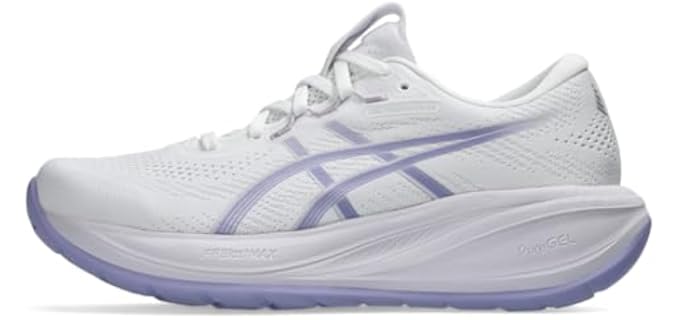 |
| Asics |
| 3 | Under Armour® - Neutral Trainer with Wide Options | 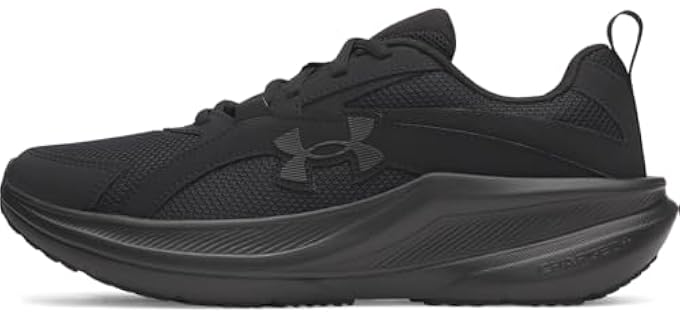 | 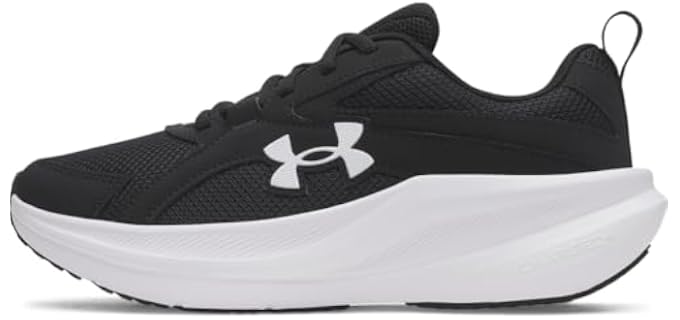 |
| Under Armour |
| 4 | Under Armour® - Light Everyday Trainer | 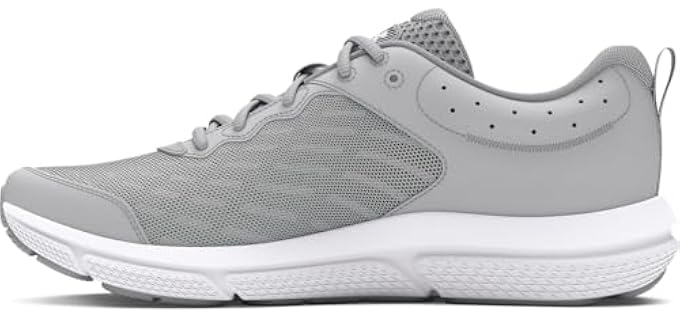 | 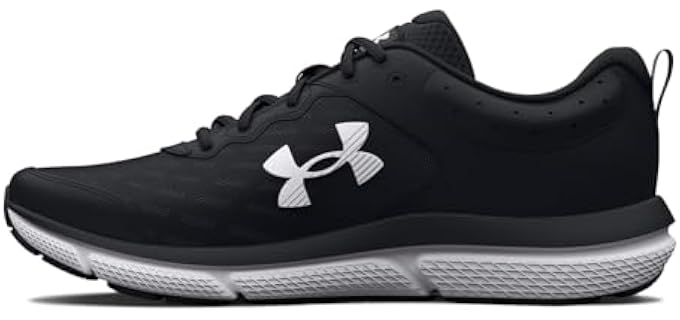 |
| Under Armour |
| 5 | Saucony® - Budget Neutral Trainer | 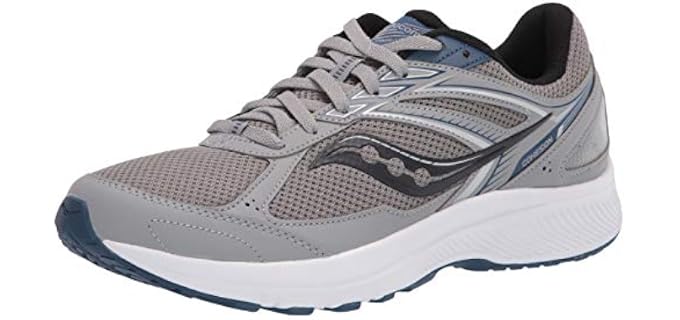 | 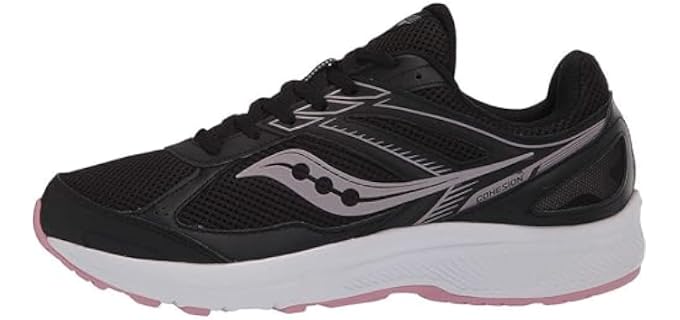 |
| Saucony |
| 6 | Skechers® - Lightweight Cushioned Walking Shoe | 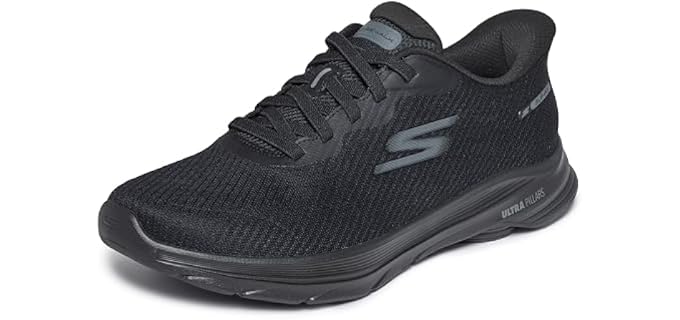 | 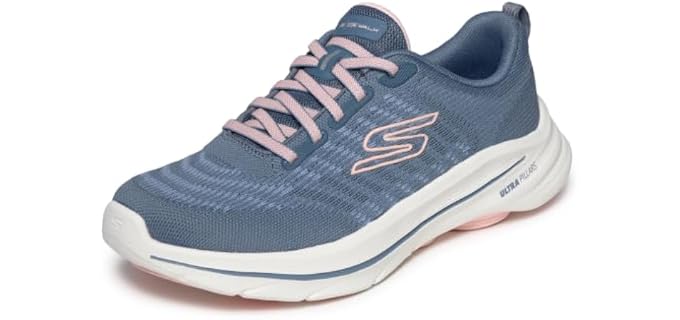 |
| Skechers |
| 7 | New Balance® - Casual Cross Trainer | 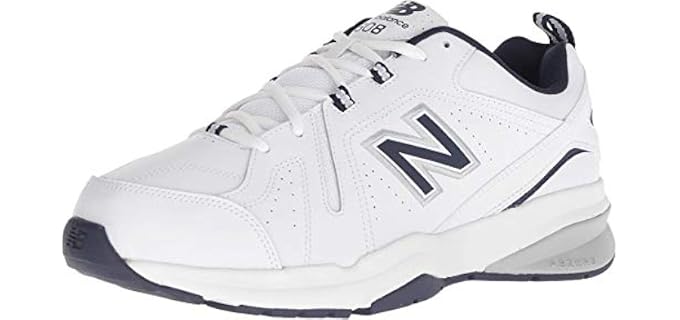 | 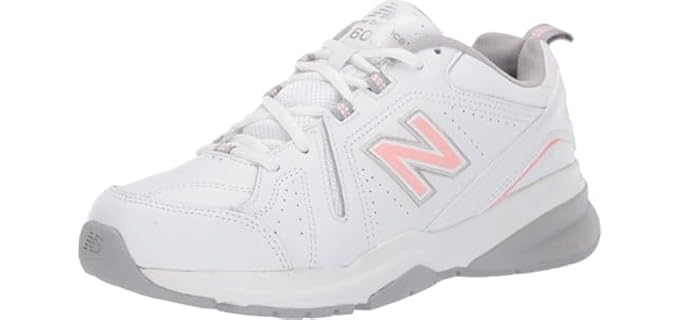 |
| New Balance |
| 8 | Apex® - Therapeutic Walking Shoe with Motion Control | 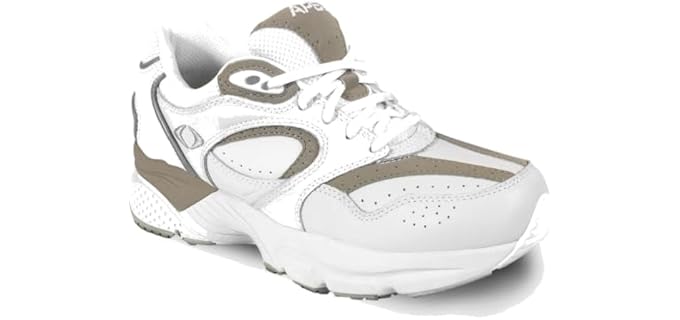 |  |
| Apex |
Importance of Soft, Roomy Shoes
Sesamoiditis improves when the ball of the foot gets a rest. Soft soles, low heels and room for your toes make everyday walking easier while you follow your doctor’s advice.[1][2]
Sources
- American Academy of Orthopaedic Surgeons (OrthoInfo). Sesamoiditis and Sesamoid Fracture. Accessed October 26, 2026.
- National Health Service (NHS). Pain in the ball of the foot. Accessed October 26, 2026.
Update History
- Oct 2026: Rewrote the article around OrthoInfo and NHS guidance, removed the unsourced 80 percent claim, added a disclaimer, takeaways, How We Chose section and FAQ, and regrouped the shoes under correct headings
- Oct 2026: Updated Asics Gel Nimbus 26 to Gel Nimbus 28; replaced Orthofeet Broadway with Under Armour Charged+ Assert 11; replaced Saucony Grid Omni with Saucony Cohesion 14; replaced Brooks Ghost 15 with New Balance 608 V5; updated Asics Gel Cumulus 24 to Gel Cumulus 28; updated Skechers Go Walk 6 to Go Walk 8; replaced Orthofeet Glacier with Under Armour Charged Assert 10
- Oct 2026: Removed Clarks Bradley Lane (unavailable)
- Oct 2026: Added a Key Specs table and a Sources section; checked availability of every product
- Feb 2020: Published


