Most back pain gets better on its own within a few weeks, and the NHS advises staying active and carrying on with your daily activities.[1] Footwear is one thing people ask about, so it is worth knowing what the guidance says. NICE, the body that sets health guidance for the NHS in England, advises against offering foot orthotics or rocker sole shoes for low back pain,[2] and a Cochrane review found strong evidence that insoles do not prevent back pain.[3]
So a shoe is not a treatment for back pain. A comfortable, supportive pair that fits well can still make it easier to stay active and walk regularly. This guide covers what to look for and thirteen pairs for men and women that are in stock on the web US.

Back pain and shoes
- The NHS says most back pain improves within a few weeks, and advises you to stay active and keep up your daily activities. It says not to stay in bed for long periods.[1]
- NICE says not to offer foot orthotics or rocker sole shoes for managing low back pain with or without sciatica. It advises encouraging people to continue with normal activities and considering a group exercise programme.[2]
- The Cochrane review found strong evidence that insoles are not effective for preventing back pain, and said the evidence on insoles as a treatment does not allow any conclusions.[3]
- The NHS says any shoes or trainers that are comfortable, give adequate support and do not cause blisters will do for walking.[4]
What the Guidance Says About Shoes and Back Pain
The NHS recommends staying active, taking anti-inflammatory medicine if it is suitable for you, using ice or heat packs, and trying exercises and stretches for back pain.[1] Shoes are not on that list.
NICE’s guideline on low back pain and sciatica says to encourage people to continue with normal activities, and says not to offer belts or corsets, foot orthotics or rocker sole shoes.[2] The Cochrane review, published in 2007, found strong evidence that insoles do not prevent back pain, and could not draw conclusions about insoles as a treatment because the evidence was limited.[3]
For that reason we do not claim that any shoe relieves or prevents back pain. What a shoe can do is make walking comfortable, which helps you keep moving.[1][4]
Choosing a Comfortable Shoe
The NHS says comfortable shoes that give adequate support and do not cause blisters are all you need to start walking regularly.[4] Look for these points when you compare pairs:
- Comfort and Fit – A shoe that fits well and does not rub. Try shoes on at the end of the day, when feet are at their largest.
- Cushioning – Foam in the midsole that softens each step, so walking stays comfortable.
- Support – A stable platform and a firm heel counter that hold the foot steady.
- Grip – A rubber outsole with tread, so you do not slip on wet or smooth floors.
- Removable Insole – Room for your own insole if a clinician has recommended one for another reason.
How We Chose These Shoes
We do not test shoes ourselves. We compared each model’s cushioning, support and fit using the makers’ descriptions and The web product pages, and we kept only pairs that are in stock on the web US. Brands do not pay to be included, but we may earn a commission from purchases.
Frequently Asked Questions (FAQ) on Shoes for Back Pain
- Can the wrong shoes cause back pain?
We did not find guidance linking particular shoes to back pain. The NHS says most back pain gets better on its own, and that staying active helps recovery.[1] If your pain keeps coming back, ask a doctor or physical therapist to look at your posture and movement, not only your shoes. - Should I wear rocker sole shoes for back pain?
NICE advises against offering rocker sole shoes for managing low back pain with or without sciatica.[2] - What kind of shoes should I wear for walking?
The NHS says any shoes or trainers that are comfortable, provide adequate support and do not cause blisters will do.[4]
Key Specs
| No. | Shoe | Type | Closure | Width options | Drop / Cushion | Weight |
|---|---|---|---|---|---|---|
| 1 | Asics Gel Nimbus 28 | Running | – | Medium, Wide, X-Wide | PureGEL | – |
| 2 | Saucony Ride 19 | Running | Lace-up | Medium, Wide | PWRRUN+ | – |
| 3 | New Balance M1540v3 / W1540v3 (women's) | Running | – | Medium, Wide, X-Wide | – | – |
| 4 | adidas Response Pace | Running | Lace-up | Medium | Cloudfoam | – |
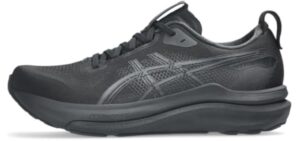
| 5 | Asics Gel Kayano 33 | Running | – | Medium, Wide, X-Wide | PureGEL | – |
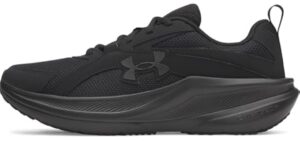
| 6 | Under Armour Charged+ Assert 11 | Dress/casual | Lace-up | Medium, Wide, X-Wide | – | 10.2 oz |
| 7 | Asics Gel Cumulus 28 | Running | – | Medium, Wide, X-Wide | FF BLAST MAX | – |
| 8 | New Balance 608 V5 | Casual sneaker | – | Medium, Wide, X-Wide | ABZORB | – |
| 9 | Under Armour Charged Assert 10 | Shoe | – | Medium, Wide, X-Wide | 10 mm drop / Charged Cushioning | 9.5 oz |
| 10 | adidas X_PLR Path | Running | Lace-up | Medium | Cloudfoam | – |
| 11 | Propet Stability X Strap | Walking | Hook-and-loop | Medium, Wide, X-Wide | – | – |
| 12 | Keen Voyageur | Trail/hiking | – | Medium | – | – |
| 13 | Orthofeet Asheville / Charlotte (women's) | Shoe | Hands-free slip-in | Medium, Wide | – | – |
– = not stated by the maker. Specs as stated by the maker, not tested by us.
Reviews: Comfortable Shoes for Back Pain Sufferers
Here are our picks. Each pair is in stock on the web US. We may earn a commission if you buy through the links on this page, at no extra cost to you.
Running Shoes for Back Pain
1Max-Cushion Running Shoe
Asics Gel Nimbus 28 - Men


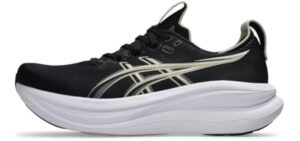
Asics Gel Nimbus 28 - Women


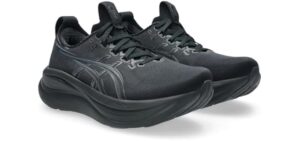
- The engineered knit upper is light and breathable, with few overlays.
- Rearfoot PureGEL and FF Blast Plus foam give a soft landing and a responsive ride.
- An OrthoLite X-55 sockliner manages moisture, reflective details add visibility, and the Hybrid Asicsgrip outsole grips on varied surfaces.
2
Cushioned Neutral Trainer
Saucony Ride 19 - Men


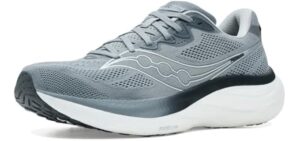
Saucony Ride 19 - Women


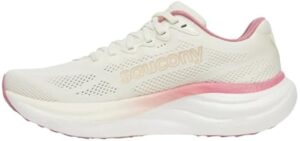
- The reformulated PWRRUN+ foam is lighter and softer than before, with more foam underfoot.
- The engineered mesh upper stretches and breathes, and extra heel collar cushioning adds comfort.
- The outsole has more rubber in the forefoot and flex grooves for smooth transitions. The drop is 8 mm.
3
Motion Control Trainer
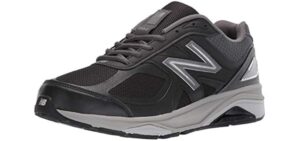
New Balance M1540v3 - Men


New Balance W1540v3 - Women


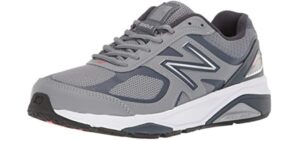
- An Encap midsole combines light foam with a polyurethane rim for support and impact absorption.
- A Rollbar stability post controls rear-foot motion for a steadier stride.
- The mesh and synthetic upper is breathable. New Balance has stopped making the 1540v3 in the US, so stock is limited.
4
Cloudfoam Running Shoe
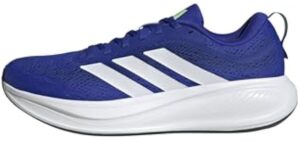
adidas Response Pace - Men


adidas Response Pace - Women


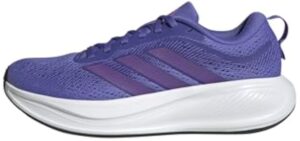
- The Cloudfoam midsole cushions each step.
- An Ortholite sockliner adds comfort inside the shoe.
- The textile upper has a regular fit and a lace-up closure.
5
Plush Stability Trainer
Asics Gel Kayano 33 - Men


Asics Gel Kayano 33 - Women


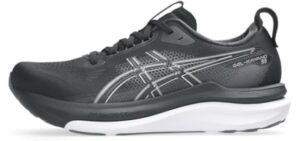
- FluidSupport technology adapts to your changing biomechanics through each stride and guides the foot.
- Rearfoot PureGEL and FF Blast Max and Plus foams cushion the landing and give a lively toe-off.
- The engineered mesh upper is light and breathable, and an OrthoLite sockliner manages moisture.
6
Breathable Running Shoe
Under Armour Charged+ Assert 11 - Men


Under Armour Charged+ Assert 11 - Women


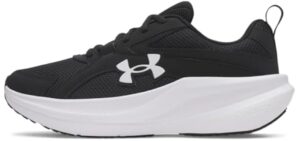
- The mesh upper has leather overlays that add midfoot support, and at least 30% of the upper is recycled content.
- Charged+ midsole cushioning is soft, and the rubber outsole has flex grooves for toe-off.
- It weighs about 10.2 oz and comes in medium, wide and extra-wide widths.
7
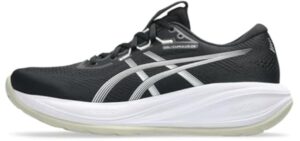
Neutral Cushioned Trainer
Asics Gel Cumulus 28 - Men


Asics Gel Cumulus 28 - Women


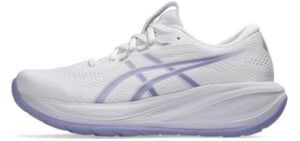
- FF Blast Max foam and rearfoot PureGEL cushion each landing and return energy at toe-off.
- The engineered mesh upper is light and breathable, and the Fluidride outsole blends EVA and rubber for traction without extra weight.
- An OrthoLite X-30 sockliner cushions and manages moisture, and reflective details help you stay visible in low light.
Walking Shoes for Back Pain
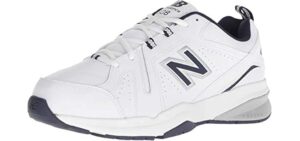
8Casual Cross Trainer
New Balance 608 V5 - Men


New Balance 608 V5 - Women


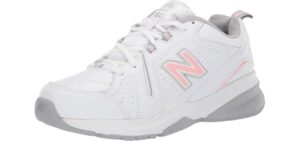
- An Abzorb heel crash pad absorbs impact, and a molded insert adds cushioning underfoot.
- The suede upper breaks in to your foot, and dual-density collar foam steadies the ankle.
- A Phantom Liner interior has few seams to rub, and the EVA midsole has an internal shank for midfoot stability.
9
Cushioned Athletic Shoe
Under Armour Charged Assert 10 - Men


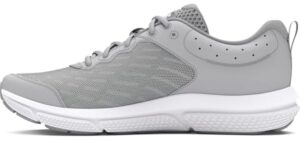
Under Armour Charged Assert 10 - Women


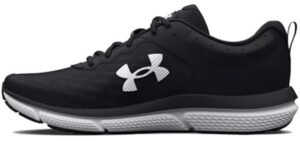
- The breathable mesh upper has synthetic overlays for durability and support.
- An EVA sockliner adds soft step-in comfort, and the Charged Cushioning midsole uses compression-molded foam.
- The solid rubber outsole covers high-wear zones, the offset is 10 mm and the shoe weighs about 9.5 oz.
10
Light Everyday Sneaker
adidas X_PLR Path - Men


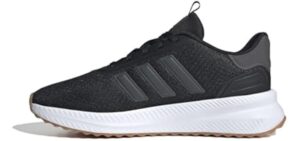
adidas X_PLR Path - Women


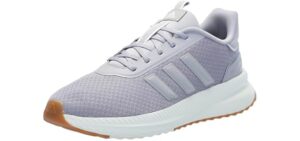
- The mesh upper is light and breathable, and the textile lining feels soft.
- A Cloudfoam midsole gives step-in comfort and cushioning.
- The rubber outsole has good grip and a low-profile look.
11
Propet® Men's Stability X Strap Strap Walking Shoe


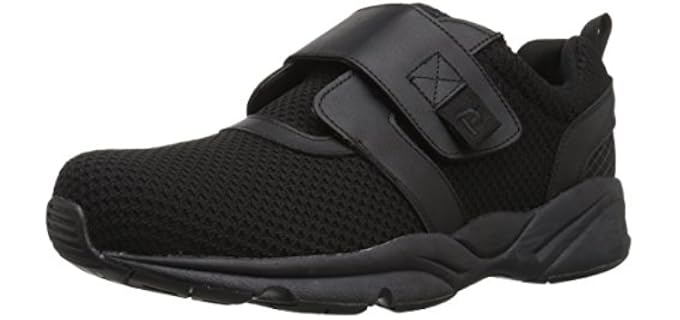
The Propét Stability X Strap is a walking shoe with an adjustable hook-and-loop strap.
- The adjustable strap is quick to open and close.
- Double insoles make up the Propét EV (extra volume) system. Remove the bottom insole for more room, or both to fit a custom orthotic.
- The upper is leather and synthetic on a rubber sole, and the style is approved for the Medicare Therapeutic Shoes benefit.
Hiking Shoes for Back Pain
12Low Hiking Shoe
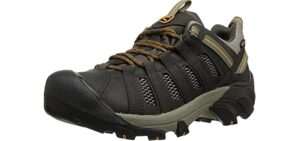
Keen Voyageur - Men


Keen Voyageur - Women


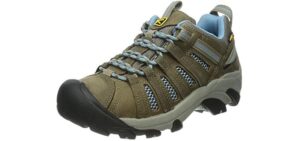
- Water-resistant leather keeps feet dry, and performance mesh increases airflow.
- A KEEN.All-Terrain rubber outsole with 4 mm lugs grips on and off the trail, and a stability shank supports uneven ground.
- An injected heel capture system holds the heel, and the removable metatomical footbed gives arch support.
Slippers for Back Pain
13Adjustable House Slipper
Orthofeet Asheville - Men


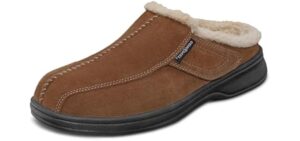
Orthofeet Charlotte - Women


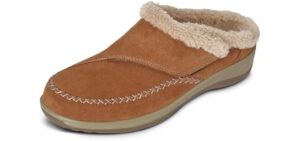
- Wide-opening side straps make it easy to step in and let you adjust the fit, which suits swollen feet or limited mobility.
- The suede and leather upper has a faux fur lining. The women’s Charlotte adds a built-in heel lip.
- Each pair includes an orthotic insole with arch support, and both have a wide toe box.
Index Table: Top Rated Shoes for Back Pain
| No. | Shoe | Men ♂ | Women ♀ | Features | Brand |
|---|---|---|---|---|---|
| 1 | Asics® - Max-Cushion Running Shoe | 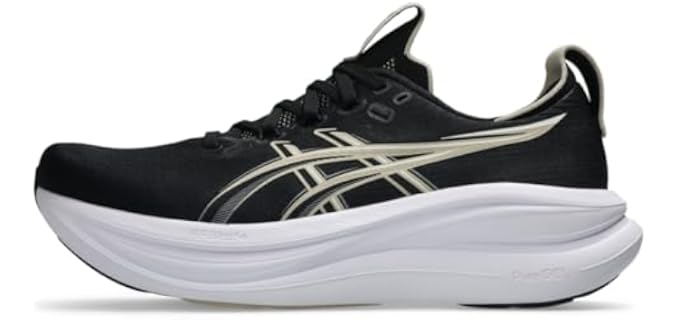 | 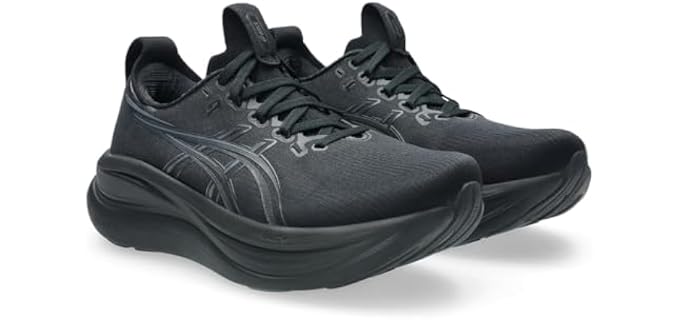 |
| Asics |
| 2 | Saucony® - Cushioned Neutral Trainer | 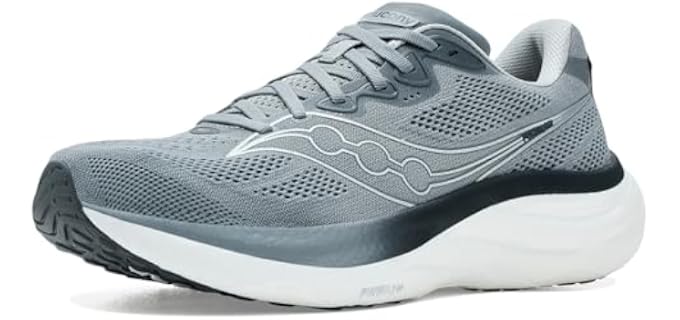 | 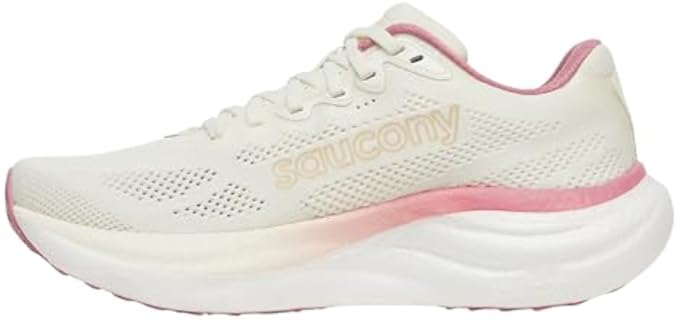 |
| Saucony |
| 3 | New Balance® - Motion Control Trainer | 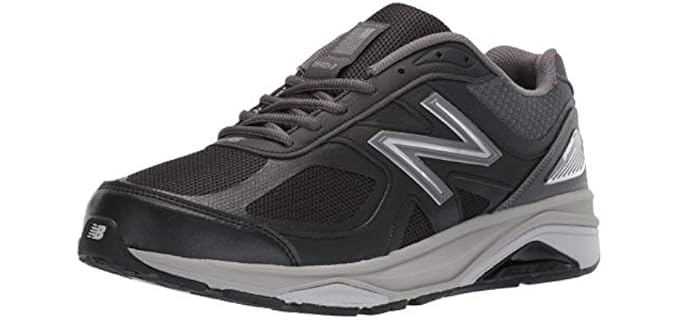 | 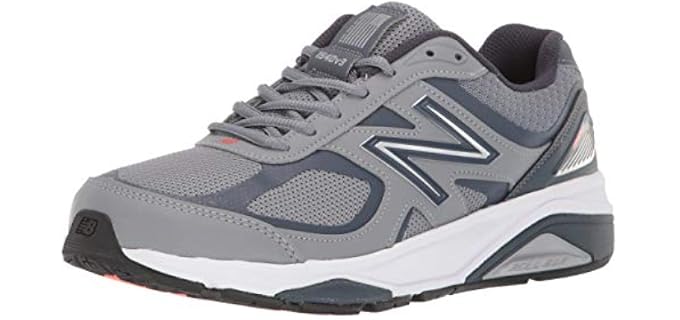 |
| New Balance |
| 4 | adidas® - Cloudfoam Running Shoe | 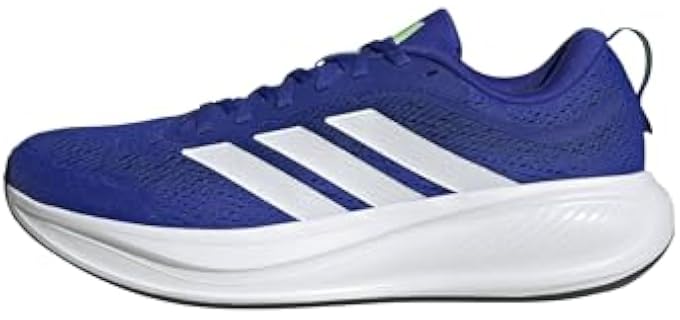 | 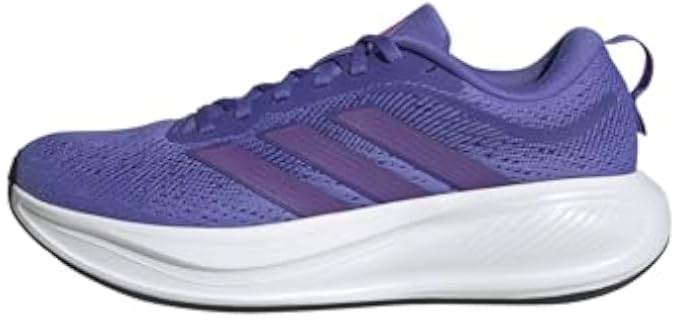 |
| adidas |
| 5 | Asics® - Plush Stability Trainer | 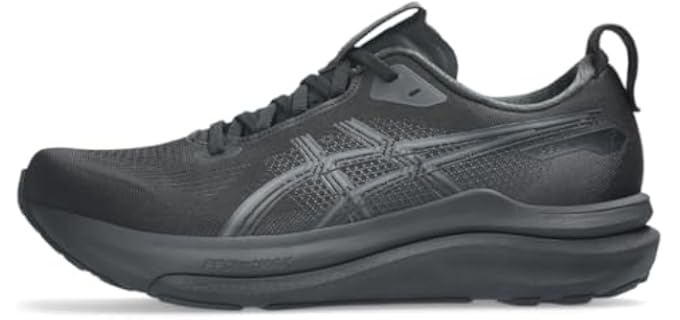 | 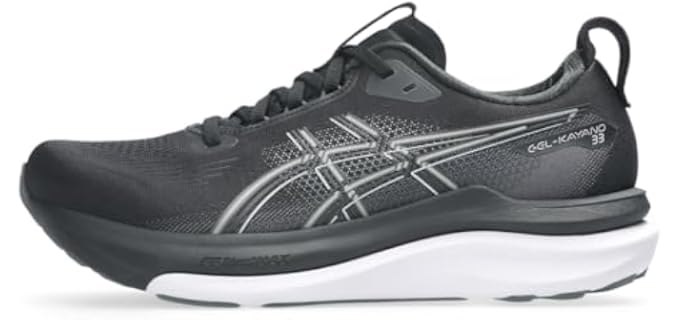 |
| Asics |
| 6 | Under Armour® - Breathable Running Shoe | 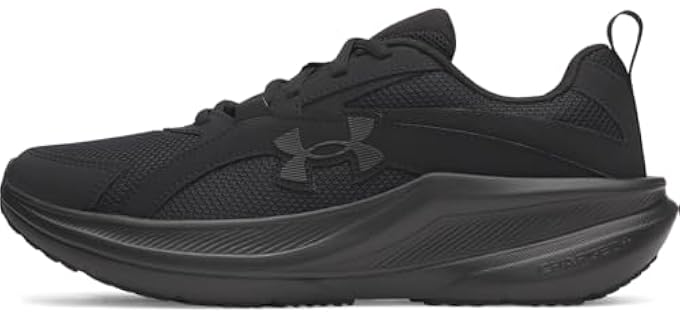 | 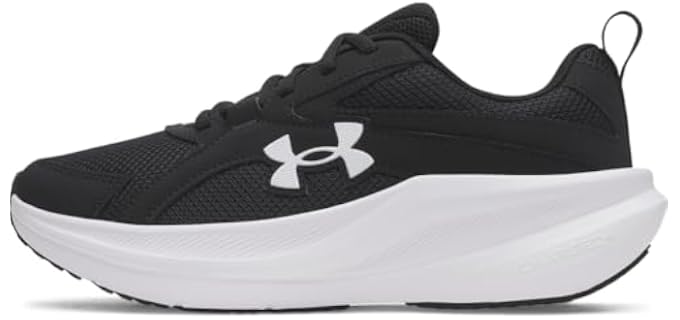 |
| Under Armour |
| 7 | Asics® - Neutral Cushioned Trainer | 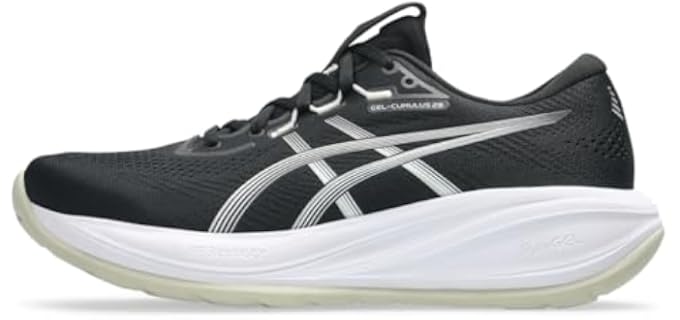 | 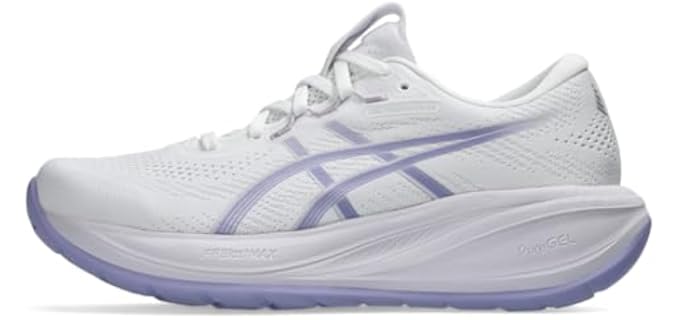 |
| Asics |
| 8 | New Balance® - Casual Cross Trainer | 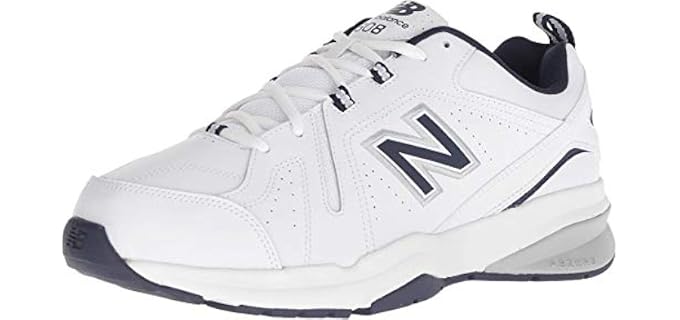 | 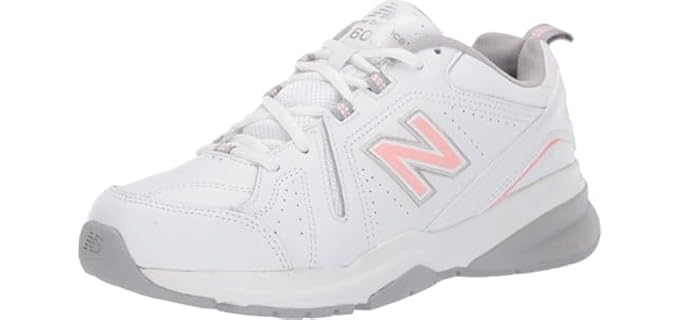 |
| New Balance |
| 9 | Under Armour® - Cushioned Athletic Shoe | 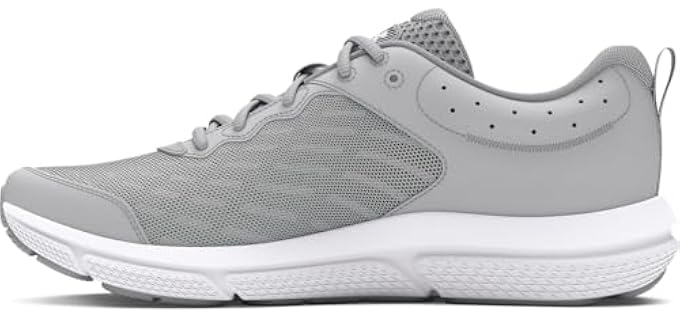 | 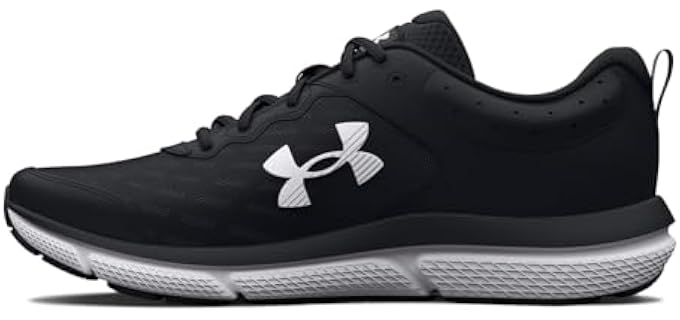 |
| Under Armour |
| 10 | adidas® - Light Everyday Sneaker | 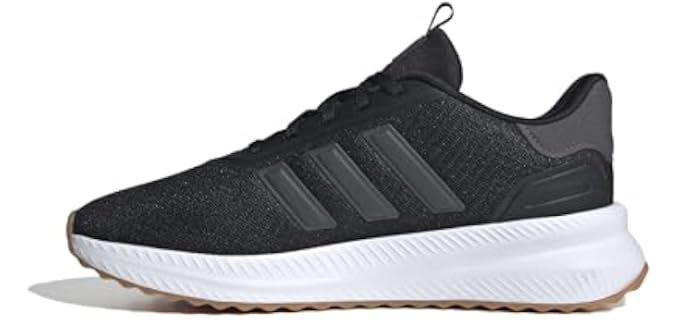 | 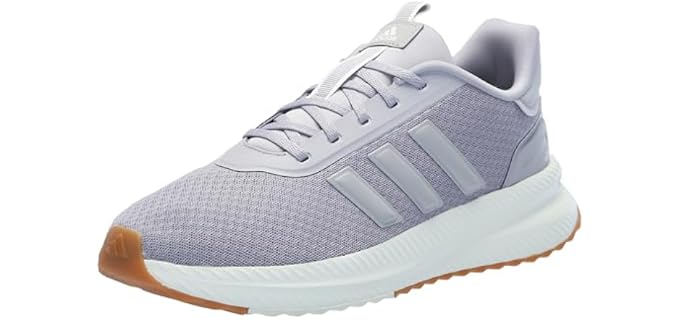 |
| adidas |
| 12 | Keen® - Low Hiking Shoe | 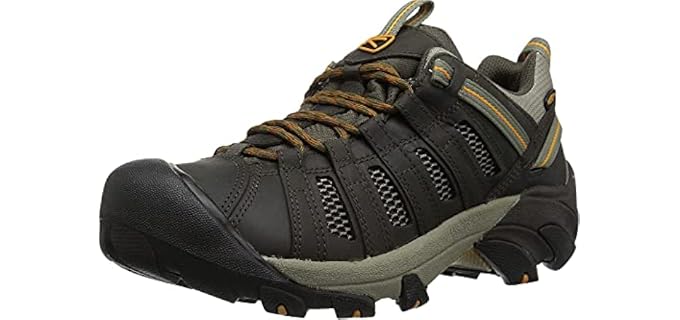 | 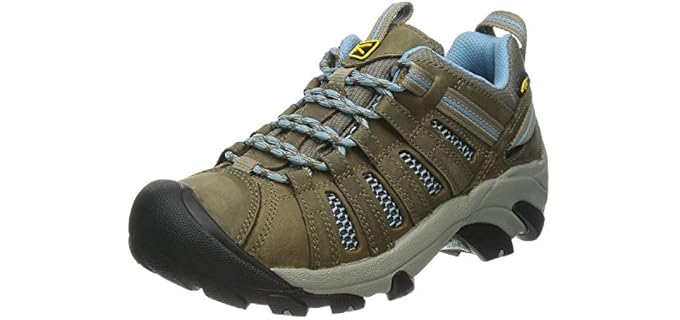 |
| Keen |
| 13 | Orthofeet® - Adjustable House Slipper | 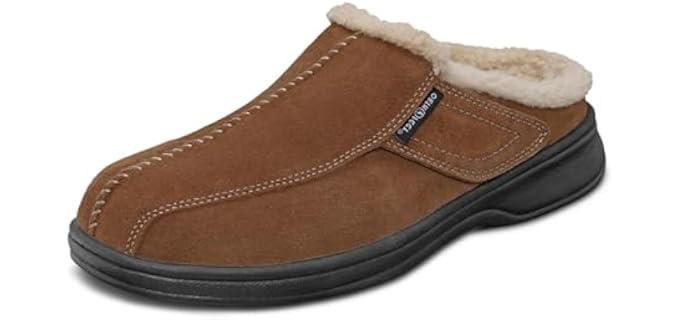 | 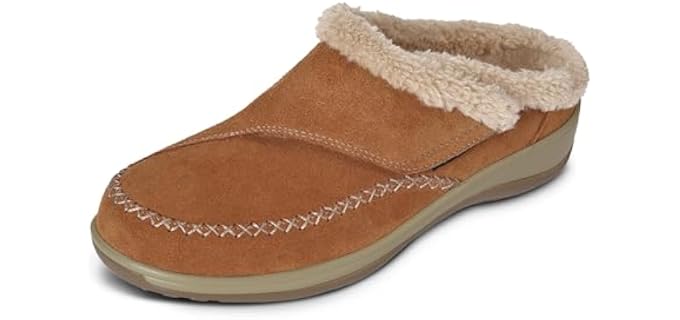 |
| Orthofeet |
Conclusion
The guidance does not support any shoe as a treatment for back pain. It does support staying active, and a comfortable pair with good cushioning and grip makes that easier.[1][4] See a doctor if your pain is severe or does not improve.
Sources
- NHS. Back pain. Accessed October 27, 2026.
- NICE. Low back pain and sciatica in over 16s: assessment and management (NG59), Recommendations. Accessed October 27, 2026.
- Cochrane. Insoles for prevention and treatment of back pain. Accessed October 27, 2026.
- NHS. Walking for health. Accessed October 27, 2026.
Update History
- Oct 2026: Rewrote the article around NHS, NICE and Cochrane guidance, added a disclaimer, takeaways, How We Chose section and FAQ, removed the claims that the wrong shoes cause back pain and that these shoes prevent or relieve it, and regrouped the shoes under correct headings (replaced the MedlinePlus and National Institute on Aging sources)
- Oct 2026: Updated Asics Gel Nimbus 26 to Gel Nimbus 28; updated Saucony Ride 14 to Ride 19; replaced Adidas Questar Flow with adidas Response Pace; updated Asics Gel Kayano 29 to Gel Kayano 33; replaced Orthofeet Gramercy with Under Armour Charged+ Assert 11; replaced Orthaheel Tide with New Balance 608 V5; replaced Dunham St. Johnsbury with Under Armour Charged Assert 10; updated Asics Gel Cumulus 24 to Gel Cumulus 28; replaced Orthofeet Monterey Beach with adidas X_PLR Path
- Oct 2026: Removed Dansko Wyatt Loafer, Rockport World Tour Classic and Propet Village Walker (unavailable)
- Oct 2026: Added a Key Specs table and a Sources section; checked availability of every product
- Sep 2016: Published


