Tarsal tunnel syndrome (TTS) is nerve pain in the foot. Cleveland Clinic says it usually causes pain on the inside of the ankle or the bottom of the foot, and can also cause burning, numbness, tingling or pins and needles, and weakness in the foot muscles. Symptoms often worsen during or after physical activity.[1]
This guide covers what Cleveland Clinic and an NHS foot health leaflet say about footwear and nine pairs for men and women that are in stock on the web US.

Tarsal tunnel syndrome and shoes
- Cleveland Clinic says custom-made orthotics can help the foot maintain a proper arch, which reduces the movements that cause nerve compression. A stability or motion-controlled shoe also keeps the foot from rolling inward (pronation) and reduces tension on the nerve.[1]
- The Kent Community Health NHS Foundation Trust advises avoiding flat shoes and wearing a pair with a 2 cm (¾ inch) heel, as this will help reduce the compression on the nerve.[2]
- Cleveland Clinic recommends proper-fitting, supportive footwear, and rest, ice, compression and elevation as first steps.[1]
- See a healthcare provider if symptoms continue. Cleveland Clinic says surgery is considered if symptoms stay severe after nonsurgical treatment.[1]
How Tarsal Tunnel Syndrome Affects Your Feet
Tarsal tunnel syndrome is a compression neuropathy. The tibial nerve is squeezed as it passes through the tarsal tunnel, on the inside of the ankle behind the bony bump. Cleveland Clinic lists these symptoms:[1]
- Pain – Usually on the inside of the ankle or the bottom of the foot.
- Burning, Numbness and Tingling – Burning sensations, numbness and pins and needles.
- Weakness – Weakness in the foot muscles.
- Activity – Symptoms often worsen during or after physical activity, and happen all the time if TTS is severe or long-lasting.
Choosing the Right Shoes for Tarsal Tunnel Syndrome
Cleveland Clinic says treatment options include rest, ice, compression, elevation, anti-inflammatory medicine, braces, orthotics, physical therapy and injections, and that many people can manage symptoms with at-home treatments.[1] For footwear, it recommends a stability or motion-controlled shoe that keeps the foot from rolling inward.[1]
The Kent NHS leaflet adds that you should avoid flat shoes and wear shoes with a 2 cm (¾ inch) heel to reduce compression on the nerve, and that an insole that changes the rear-foot position can relieve pressure on the nerve.[2] Cleveland Clinic recommends custom-made inserts, called orthotics, to help the foot keep a proper arch.[1]
Features of a Good Shoe for Tarsal Tunnel Syndrome
- Stability – A stability or motion-control shoe that keeps the foot from rolling inward.[1]
- Small Heel – A low heel of about 2 cm (¾ inch) rather than a flat shoe.[2]
- Removable Insole – Room for a custom orthotic or an insole that supports the arch and rear foot.[1][2]
- Fit – A proper-fitting, supportive shoe.[1]
- Cushioning – A cushioned midsole for comfort on longer walks.
How We Chose These Shoes
We do not test shoes ourselves. We compared each model’s stability features, heel, insole and fit using the makers’ descriptions and The web product pages, and we kept only pairs that are in stock on the web US. Brands do not pay to be included, but we may earn a commission from purchases.
Frequently Asked Questions (FAQ) on Shoes for Tarsal Tunnel Syndrome
- Do orthotics help tarsal tunnel syndrome?
Cleveland Clinic says custom-made orthotics can help your foot maintain a proper arch, which reduces the movements that cause nerve compression.[1] The Kent leaflet says an insole that changes the rear-foot position can help relieve pressure on the nerve.[2] - Are flat shoes bad for tarsal tunnel syndrome?
The Kent NHS leaflet advises avoiding flat shoes and wearing a pair with a 2 cm (¾ inch) heel to reduce compression on the nerve.[2] - Do I need surgery?
Cleveland Clinic says your provider might consider surgery if symptoms are still severe after trying nonsurgical treatments.[1]
Key Specs
| No. | Shoe | Type | Closure | Width options | Drop / Cushion | Weight |
|---|---|---|---|---|---|---|
| 1 | Asics Gel Venture 11 | Running | – | Medium, Wide, X-Wide | GEL technology | – |
| 2 | Asics Gel Nimbus 28 | Running | – | Medium, Wide, X-Wide | PureGEL | – |
| 3 | Under Armour Charged+ Assert 11 | Dress/casual | Lace-up | Medium, Wide, X-Wide | – | 10.2 oz |
| 4 | Propet TravelFit / TravelActiv (women's) | Casual sneaker | Lace-up | Medium, Wide, X-Wide | – | – |
| 5 | Propet LifeWalker / TourWalker (women's) | Walking | Hook-and-loop | Medium, Wide, X-Wide | EVA | – |
| 6 | New Balance 608 V5 | Casual sneaker | – | Medium, Wide, X-Wide | ABZORB | – |
| 7 | New Balance 928 V3 | Walking | Lace-up | Medium, Wide, X-Wide | ABZORB | – |
| 8 | Dr. Scholls Gaston | Sandal | Hook-and-loop | Medium, Wide | Memory Foam | – |
| 9 | Dr. Comfort Fisherman / Breeze (women's) | Sandal | Strap | Medium, Wide, X-Wide | – | – |
– = not stated by the maker. Specs as stated by the maker, not tested by us.
Reviews: Shoes for Tarsal Tunnel Syndrome
Here are our picks. Each pair is in stock on the web US. We may earn a commission if you buy through the links on this page, at no extra cost to you.
Running and Trail Shoes for Tarsal Tunnel Syndrome
1Lace-Up Trail Shoe
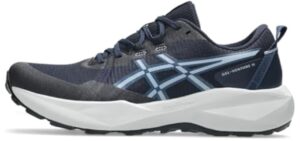
Asics Gel Venture 11 - Men


Asics Gel Venture 11 - Women


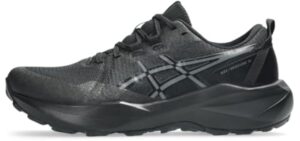
- Rearfoot GEL technology absorbs shock, and the Amplifoam Plus midsole gives a softer ride.
- The mesh upper breathes, and the OrthoLite Hybrid Max Lite sockliner manages moisture and adds cushioning.
- The molded rubber outsole grips. The web notes that the shoe runs small.
2
Max-Cushion Neutral Trainer
Asics Gel Nimbus 28 - Men


Asics Gel Nimbus 28 - Women


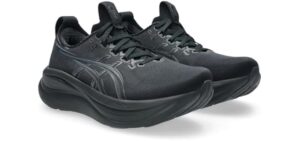
- The engineered knit upper is light and breathable, with few overlays.
- Rearfoot PureGEL and FF Blast Plus foam give a soft landing and a responsive ride.
- An OrthoLite X-55 sockliner manages moisture, reflective details add visibility, and the Hybrid Asicsgrip outsole grips on varied surfaces.
3
Breathable Running Shoe
Under Armour Charged+ Assert 11 - Men


Under Armour Charged+ Assert 11 - Women


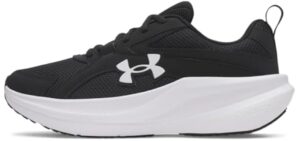
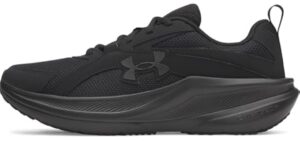
- The mesh upper has leather overlays that add midfoot support, and at least 30% of the upper is recycled content.
- Charged+ midsole cushioning is soft, and the rubber outsole has flex grooves for toe-off.
- It weighs about 10.2 oz and comes in medium, wide and extra-wide widths.
Walking Shoes for Tarsal Tunnel Syndrome
4Wide Travel Walking Shoe
Propet TravelFit - Men


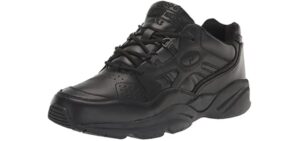
Propet TravelActiv - Women


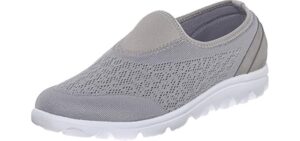
- Both pairs come in wide widths, which suits feet that need extra room.
- The sole is flexible, and the women’s pair has a breathable mesh upper.
- The men’s pair is coded for Medicare A5500 footwear, which matters if you shop for therapeutic shoes.
5
Strap Walking Shoe
Propet LifeWalker - Men


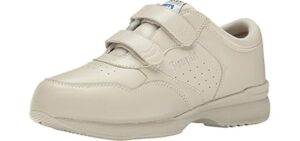
Propet TourWalker - Women


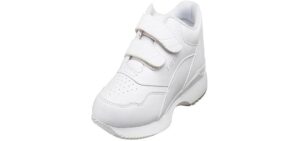
- Two hook-and-loop straps make the shoes easy to put on and let you adjust the fit as your feet change during the day.
- A rocker profile and a built-in heel stabilizer add stability, and the padded collar and tongue cushion the ankle.
- The removable cushioned insole makes room for an orthotic, and the shoes carry the Medicare A5500 diabetic shoe code.
6
Casual Cross Trainer
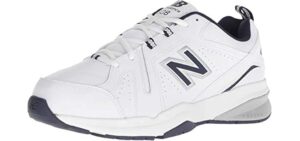
New Balance 608 V5 - Men


New Balance 608 V5 - Women


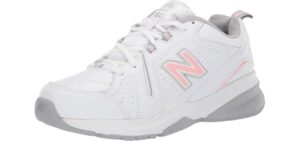
- An Abzorb heel crash pad absorbs impact, and a molded insert adds cushioning underfoot.
- The suede upper breaks in to your foot, and dual-density collar foam steadies the ankle.
- A Phantom Liner interior has few seams to rub, and the EVA midsole has an internal shank for midfoot stability.
7
Rollbar Walking Shoe
New Balance 928 V3 - Men


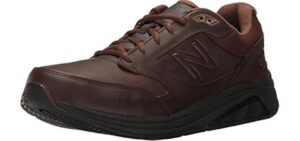
New Balance 928 V3 - Women


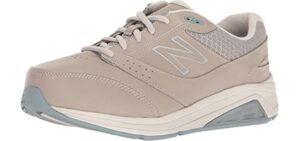
- Motion control design and a Rollbar stability post reinforce the inside and outside of the midsole to limit rear-foot movement.
- Abzorb cushioning absorbs impact at the heel and forefoot.
- The leather upper holds its shape, and the shoe comes in medium, wide and extra-wide widths.
Sandals for Tarsal Tunnel Syndrome
8Dr. Scholls® Men's Gaston Hook-and-Loop Fisherman Sandal


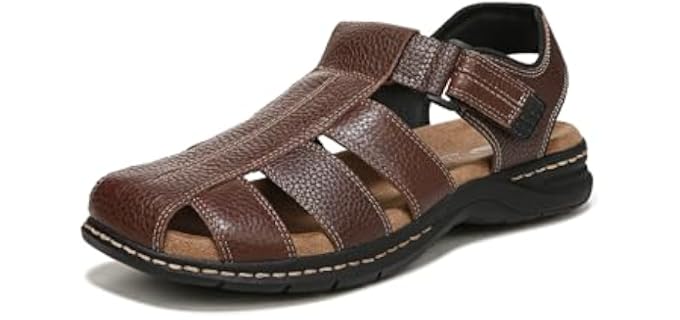
The Dr. Scholl’s Gaston is a fisherman-style sandal for men.
- An adjustable hook-and-loop heel strap makes it easy to put on and take off.
- A memory foam footbed with anatomical cushioning and arch support sits on a 1.5-inch sole.
- The construction is lightweight and flexible, with soft linings made from recycled bottles.
9
Adjustable Diabetic Sandal
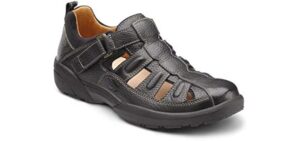
Dr. Comfort Fisherman - Men


Dr. Comfort Breeze - Women


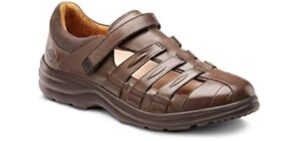
- The men’s Fisherman has a full-grain leather upper, a roomy, protective toe box and an adjustable strap on top.
- A removable footbed with a gel insert cushions the foot, and you can swap it for your own insert or orthotic.
- The Fisherman comes in sizes 6 to 15 and in medium, wide and extra-wide widths.
Index Table: Top Rated Shoes for Tarsal Tunnel Syndrome
| No. | Shoe | Men ♂ | Women ♀ | Features | Brand |
|---|---|---|---|---|---|
| 1 | Asics® - Lace-Up Trail Shoe | 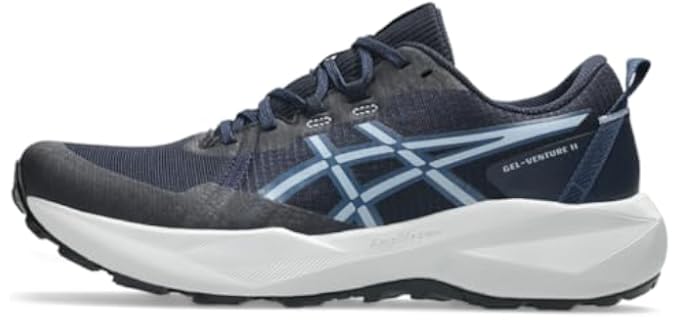 | 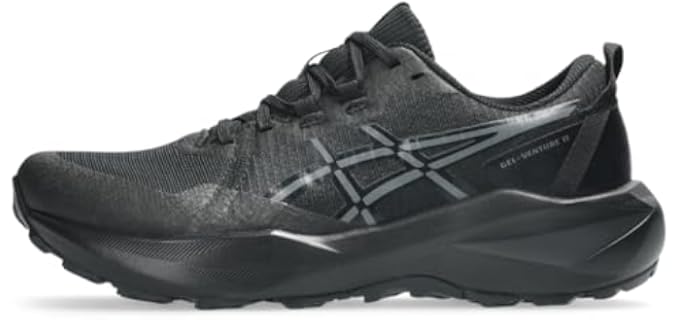 |
| Asics |
| 2 | Asics® - Max-Cushion Neutral Trainer | 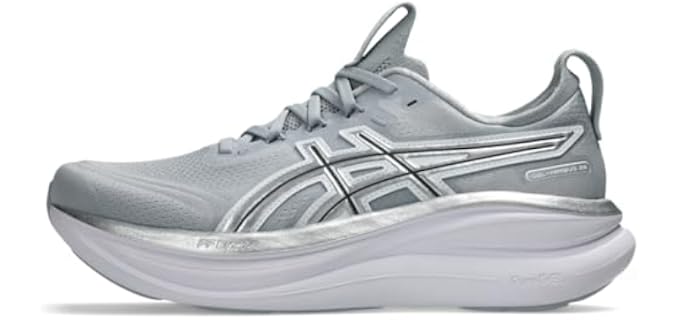 | 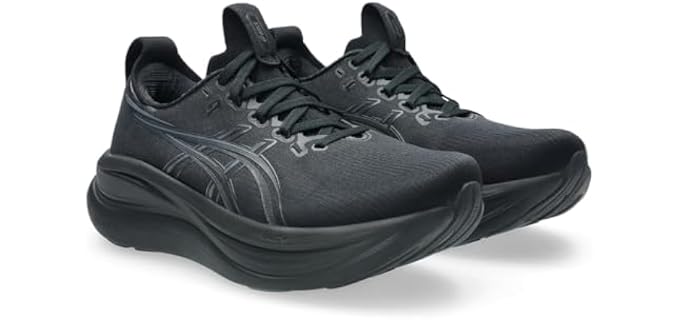 |
| Asics |
| 3 | Under Armour® - Breathable Running Shoe | 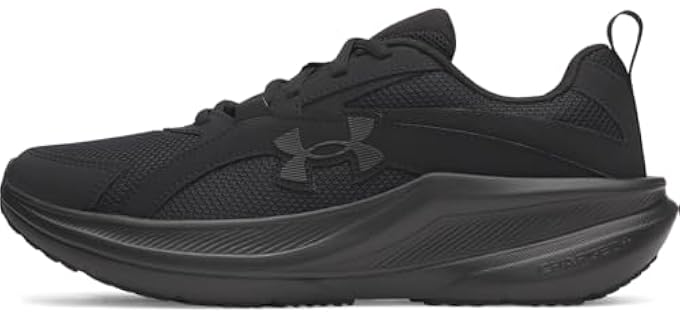 | 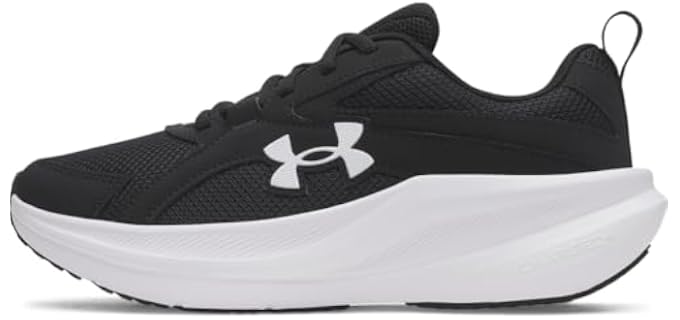 |
| Under Armour |
| 4 | Propet® - Wide Travel Walking Shoe | 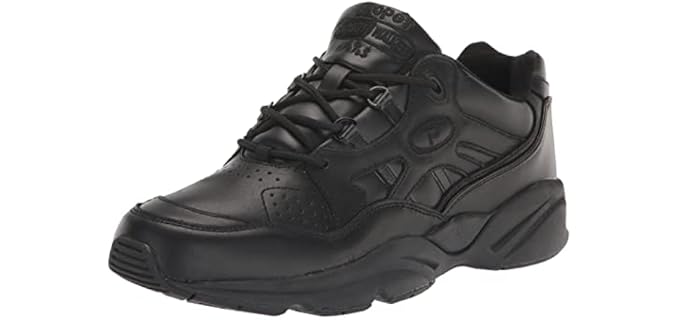 | 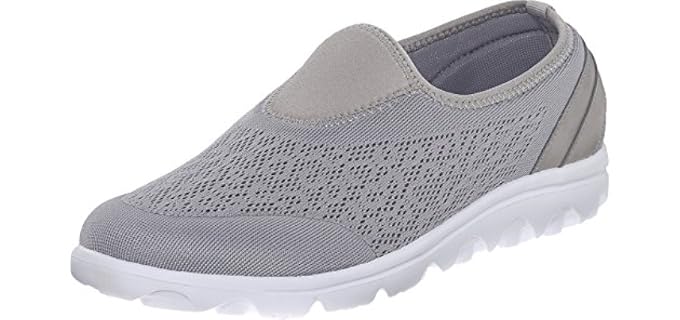 |
| Propet |
| 5 | Propet® - Strap Walking Shoe | 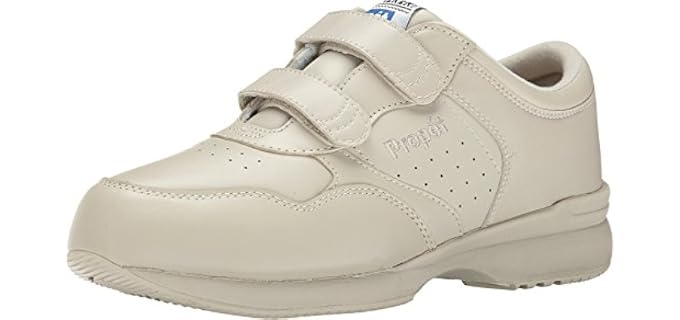 | 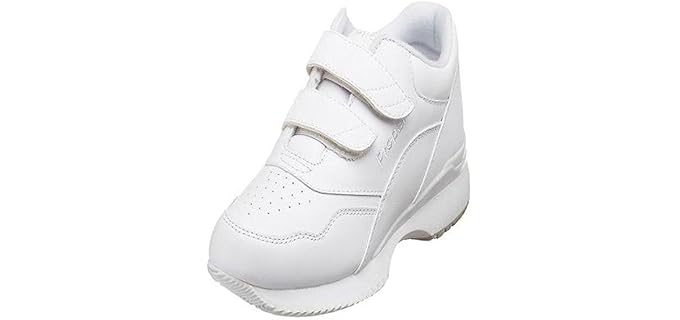 |
| Propet |
| 6 | New Balance® - Casual Cross Trainer | 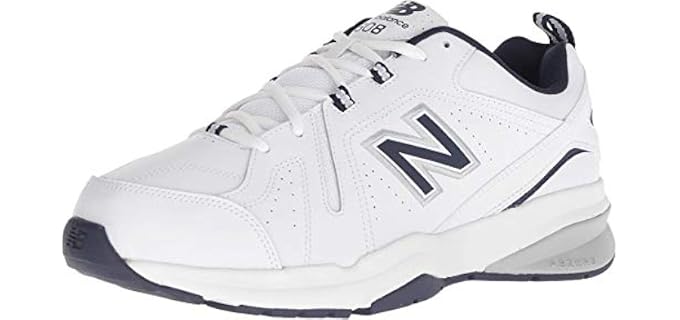 | 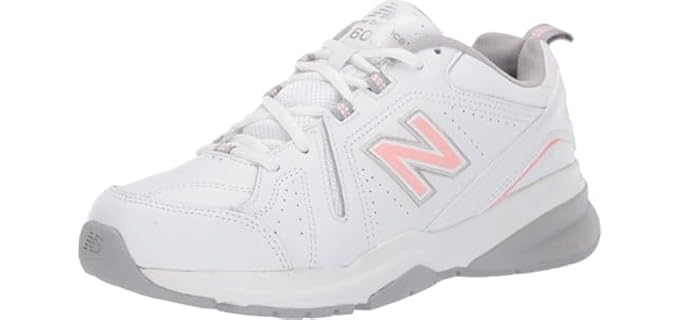 |
| New Balance |
| 7 | New Balance® - Rollbar Walking Shoe | 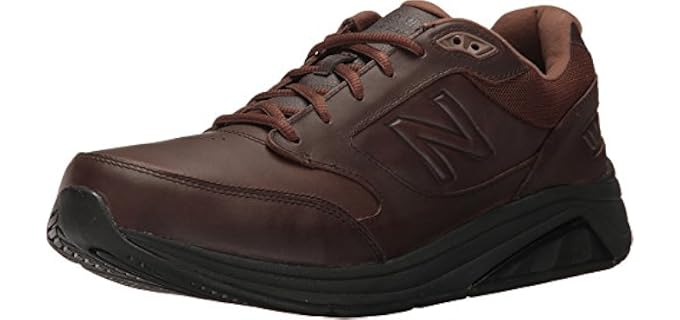 | 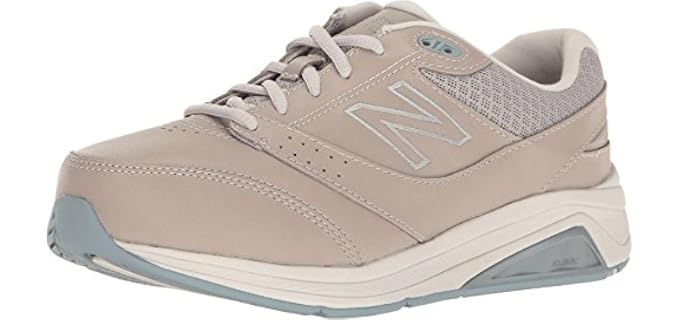 |
| New Balance |
| 9 | Dr. Comfort® - Adjustable Diabetic Sandal | 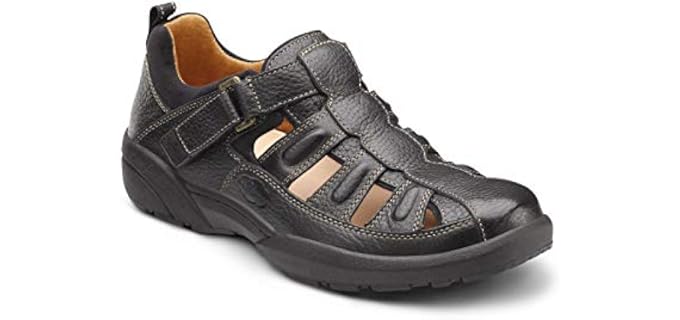 | 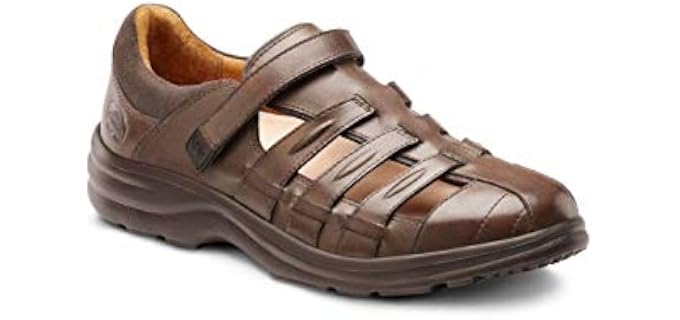 |
| Dr. Comfort |
Conclusion
Look for a supportive shoe that keeps the foot from rolling inward, with a small heel and room for an orthotic.[1][2] See a doctor or podiatrist if burning, numbness or tingling continues.
Sources
- Cleveland Clinic. Tarsal Tunnel Syndrome. Accessed October 27, 2026.
- Kent Community Health NHS Foundation Trust. Tarsal tunnel syndrome. Accessed October 27, 2026.
Update History
- Oct 2026: Rewrote the article around Cleveland Clinic and Kent NHS guidance, added a disclaimer, takeaways, How We Chose section and FAQ, removed the claims that shoes ease the symptoms, and removed the MedlinePlus sweating and NHS walking sources
- Oct 2026: Updated Asics Gel Venture 8 to Gel Venture 11; updated Asics Gel Nimbus 26 to Gel Nimbus 28; replaced Orthofeet Broadway with Under Armour Charged+ Assert 11; replaced Teva Langdon with New Balance 608 V5; replaced New Balance 680V6 with New Balance 928 V3
- Oct 2026: Removed Cole Haan Nantucket and Skechers Go Walk Equalizer (unavailable)
- Oct 2026: Added a Key Specs table and a Sources section; checked availability of every product
- Jan 2020: Published


